Oct 18, 12:01 PM
Olten’s Historic Station Buffet Prepares to Reopen
Can local gastronomy and nostalgia survive the age of hyper-efficient commuting?
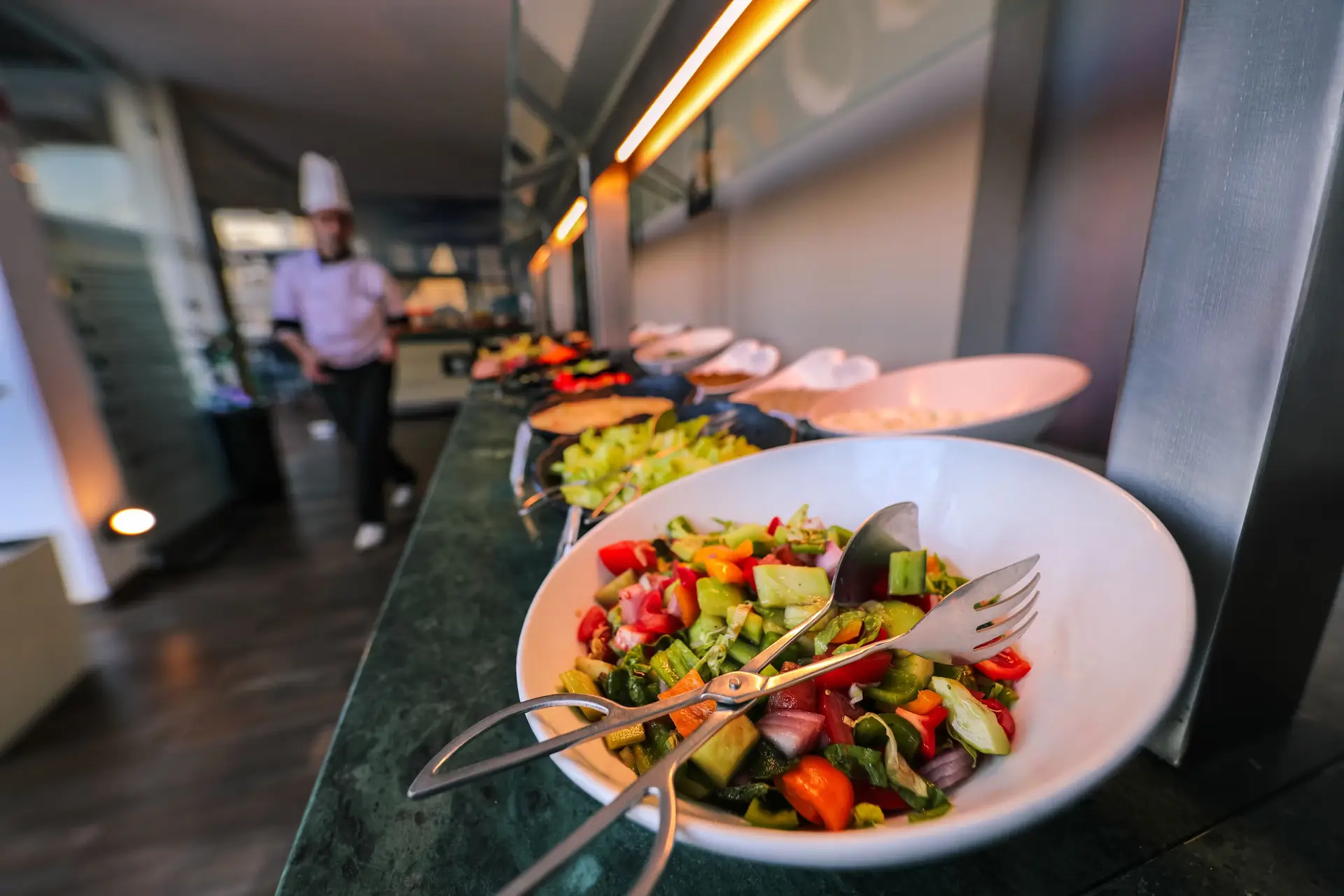
Few locations embody the paradox of modern Switzerland quite like the railway junction of Olten. It is a place almost everyone passes through, rarely by choice, situated precisely at the geographic crossroads of the national rail grid. For nearly two years, however, its most iconic establishment sat behind scaffolding. The legendary Bahnhofbuffet Olten, founded in 1856, is preparing to reopen its doors following an extensive renovation. With train schedules running on relentless minute-by-minute cycles and commuters demanding instant gratification, spending two years to revamp a sprawling station restaurant appears delightfully anachronistic.
Yet Olten’s buffet was never just a place to grab a hasty espresso between connections. Historically, it operated as the nation's unofficial living room. Tucked between tracks four and seven, politicians, labor leaders, and writers shaped modern Swiss society over wine and cigars. The Swiss Alpine Club was founded here in 1863, followed by the Swiss Trade Union Federation in 1880, the Free Democratic Party in 1894, and the Swiss Football Association in 1895. Literary figures like Max Frisch and Peter Bichsel regularly frequented its tables. Divided into first-class dining, second-class rooms, and express buffets, it catered to every tier of a meticulous social order.
The decline of grand station dining rooms across Europe was as predictable as it was depressing. From the 1970s onward, corporate fast-food chains and convenience kiosks systematically displaced traditional gastronomy. Olten survived longer than most, though it eventually succumbed to standardized corporate catering under the Italian chain Autogrill. Now, the venue is returning to regional hands. Local operator Great Moments Gastro GmbH, led by Beat Thommen and Tom Scheidegger, has taken over the lease. Inspired partly by the legacy of legendary Swiss culinary figure Eugen Pauli—who once managed the buffet—the new operators are betting that tradition, paired with six modern seminar rooms for up to a hundred guests, can still turn a profit.
Co-owner Beat Thommen emphasized that the Bahnhofbuffet must have a soul to encourage passengers to linger rather than rush to the next departure. Whether modern rail travelers can be convinced to miss a train intentionally just to savor a meal remains debatable. The Swiss economy thrives on frictionless efficiency, leaving little patience for idling between platforms. Still, replacing generic globalized catering with local entrepreneurial ambition is a welcome corrective. Olten’s buffet may no longer host the founding of major state institutions, but in a country that often mistakes convenience for progress, preserving a space with genuine history is a calculated, refreshing risk.
Written by Sandy van Dongen sandy.vandongen@alpineweekly.com