
Oct 20, 4:01 PM
Dancing with Bowie's Ghost: High Culture Claims Pop's Ultimate Chameleon
Choreographer Marcos Morau turns David Bowie's catalogue into choral dance, testing whether pop reinvention can survive elite stagecraft
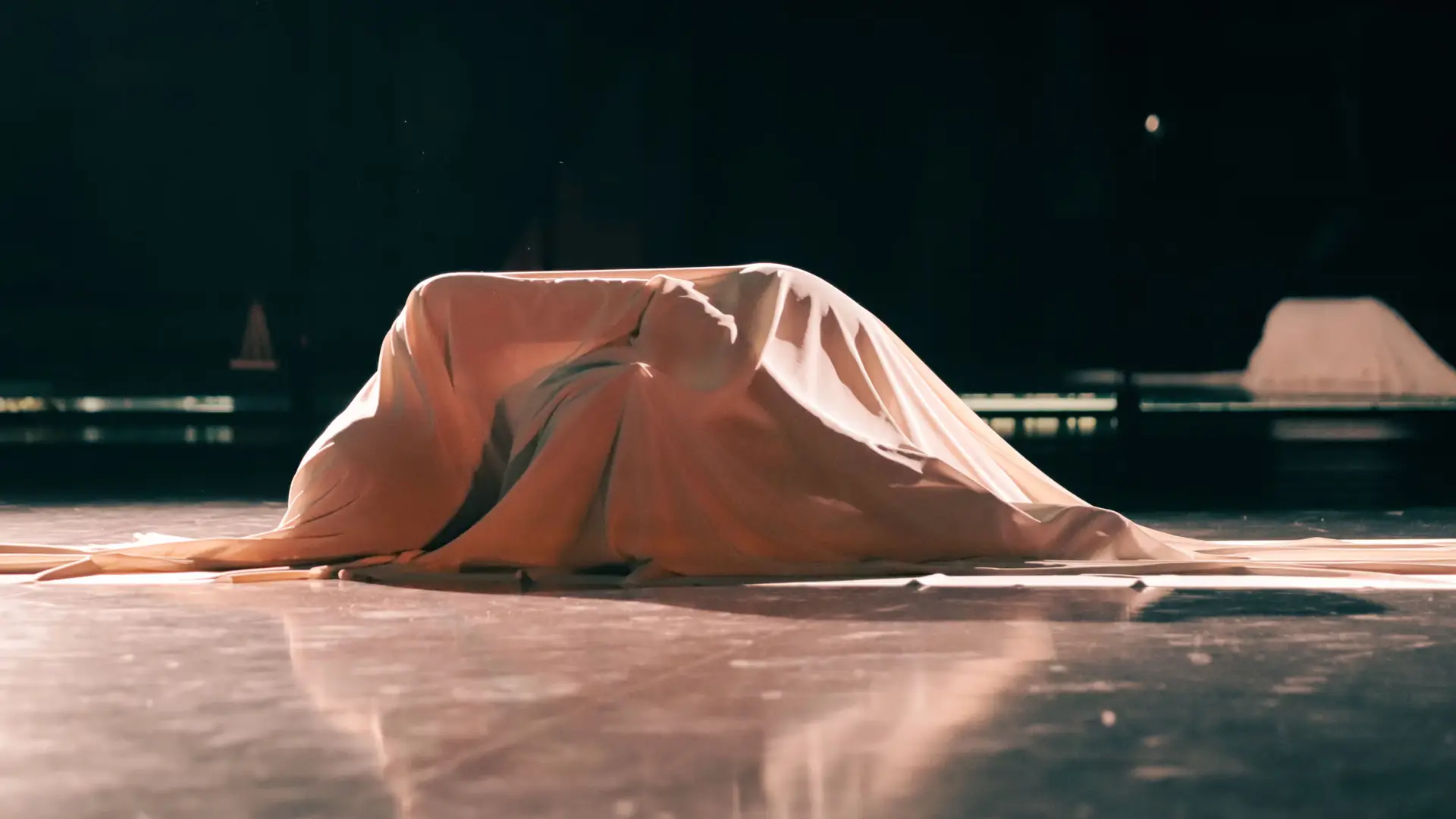
The music industry has long understood that a rock star’s physical demise is merely the opening sequence of a lucrative second act. A decade after David Bowie departed the stage, his artistic estate continues to yield sophisticated spin-offs. The latest enterprise eschews the standard cover band or jukebox musical in favour of high-culture contemporary dance.
Titled Subject to Change: A Dance for David Bowie, the international production is set to stage its world premiere in Luxembourg—an unsurprising choice of launchpad given the Grand Duchy’s solid state finances, political stability, and appetite for prestige arts—before arriving at London’s Sadler’s Wells in the autumn of 2028 and proceeding to Tokyo in 2029. Spearheaded by Spanish choreographer Marcos Morau and his company La Veronal, alongside co-producers Sadler’s Wells and Japan’s Bunkamura, the project aims to bypass cheap nostalgia. Instead of mimicking Bowie’s iconic vocal delivery, the production will dismantle his songbook, reweaving it with international choral arrangements and the voice of Spanish singer Maria Arnal.
This intellectualised approach reflects Bowie’s own relationship with physical expression. Long before contemporary choreographers sought to claim his legacy, Bowie studied mime under Lindsay Kemp in the late 1960s, absorbing a theatricality that shaped his entire career. From the alien postures of Ziggy Stardust—immortalised in Kansai Yamamoto’s vinyl jumpsuit—to the detached elegance of the Thin White Duke, Bowie treated his own anatomy as a malleable medium. Morau’s choreography attempts to capture this obsession with constant self-reinvention, arguing that true fidelity to such an icon lies in daring to transform his work rather than preserving it in amber.
The enterprise fits neatly into a broader commercial trend. Dance houses have increasingly relied on pop and rock orchestrations to fill auditoriums, as seen with recent ballet adaptations of Black Sabbath and The Who. Supported by set designer Max Glaenzel and costume designer Silvia Delagneau, under the musical direction of Alex Röser Vatiché and Ben Meerwein, Morau promises a radical departure from traditional tributes.
Whether an audience craving the familiar hooks of the superstar will fully embrace global choral abstraction remains open to debate. Yet, against a backdrop of ongoing Bowie retrospectives—from immersive London portraits to touring museum archives—this dance production poses a quiet query: can an artist’s fluid philosophy of identity survive being institutionalised by the high-arts establishment, or does every subversion eventually become a comfortable repertoire piece?
Written by Andreas Hofer andreas.hofer@alpineweekly.com