
Jul 29, 4:01 PM
Bureaucratic Blessing for Ancient Stones: Comoros Medinas Secure UNESCO Status
Six twelfth-century structures have been added to the World Heritage List, prompting predictable celebrations from local authorities and conservationists.
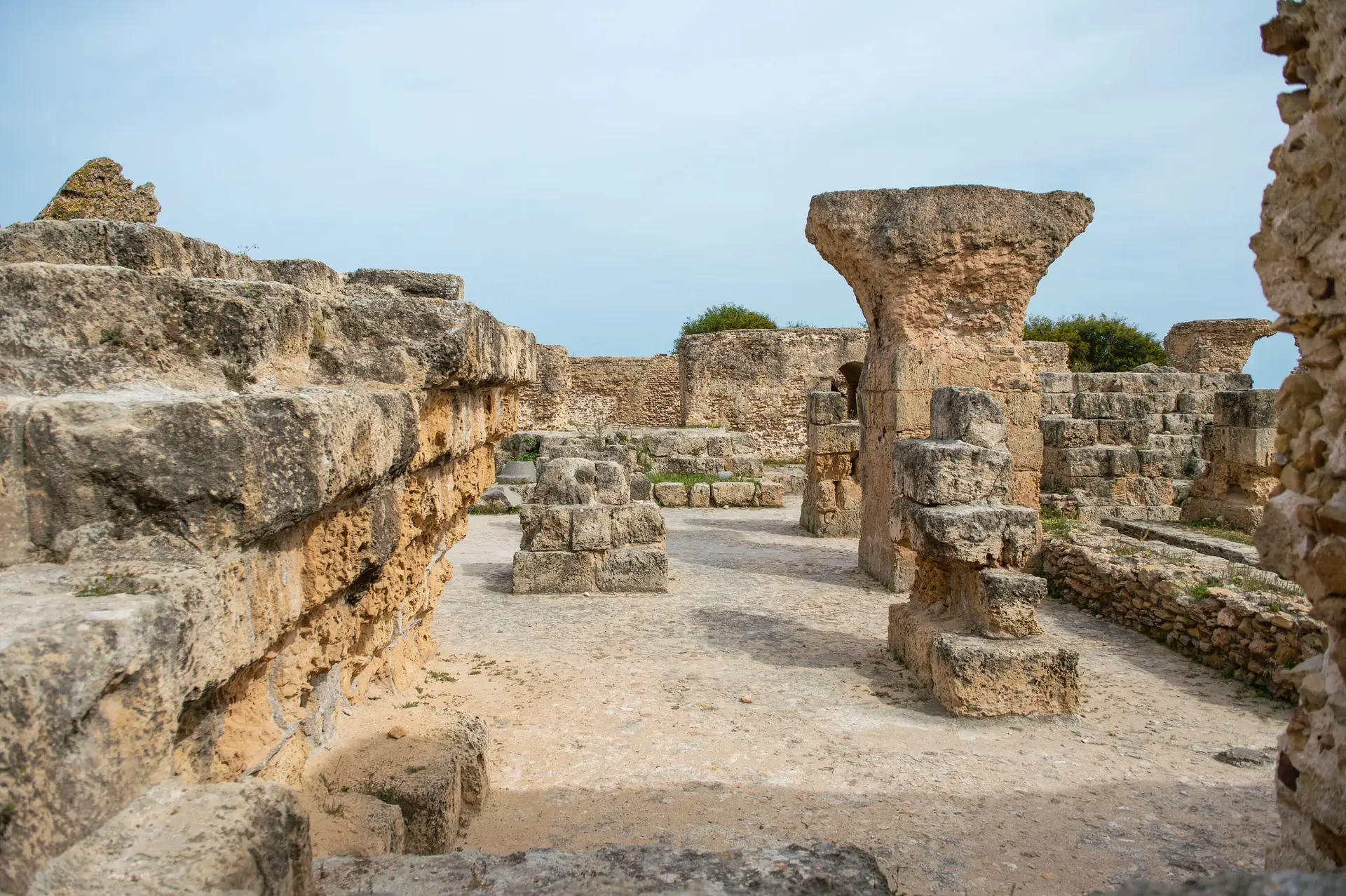
The international heritage bureaucracy has spoken, and its gaze has landed squarely on the Comoros. Six centuries-old medinas have been officially elevated to the UNESCO World Heritage List. For structures that have quietly weathered the elements and the passage of time since the twelfth century, this modern administrative christening might seem somewhat superfluous. Yet, in the contemporary cultural economy, securing the validation of an international institution is treated as an essential milestone.
Predictably, the announcement has triggered a wave of jubilation among local authorities and conservation experts alike. For the political class, the UNESCO designation is not merely a historical footnote but a highly bankable asset. Recognition on this scale provides a globally recognized seal of approval, often translating into increased international visibility and access to preservation frameworks. Conservationists view the listing as a vital administrative shield, offering these ancient urban centers a formal defense against decay and neglect.
The medinas themselves require no institutional validation to confirm their historical weight. Dating back as far as the twelfth century, these intricate architectural networks have long stood as silent witnesses to the passage of time in the Comoros. They are physical manifestations of a deeply rooted local history, constructed long before the advent of global heritage committees. However, the modern framework of cultural preservation demands strict categorization. A twelfth-century structure is often treated as a mere local curiosity until an international body decrees it a monument of global significance.
The practical utility of this designation will become apparent as the initial celebrations subside. Securing a place on a prestigious list constitutes an administrative triumph, but maintaining centuries-old stone and mortar requires tangible economic resources and sustained local commitment. The authorities in the Comoros now face the delicate task of balancing strict conservation mandates with the everyday demands of modern urban existence. Should the UNESCO label merely transform these historic medinas into heavily regulated, sterile museum pieces, the bureaucratic victory will prove hollow. True success depends on leveraging this international recognition to foster a sustainable model of preservation, one that respects the twelfth-century origins of the structures without paralyzing the surrounding environment.
Written by Freya Stensrud freya.stensrud@alpineweekly.com