Jun 16, 8:03 PM
Lucerne’s Real Estate Monopoly: A Masterclass in Economic Naivety
Voters have granted the city the power to hijack private property deals, proving once again that wealthy municipalities prefer market interference over structural reform.
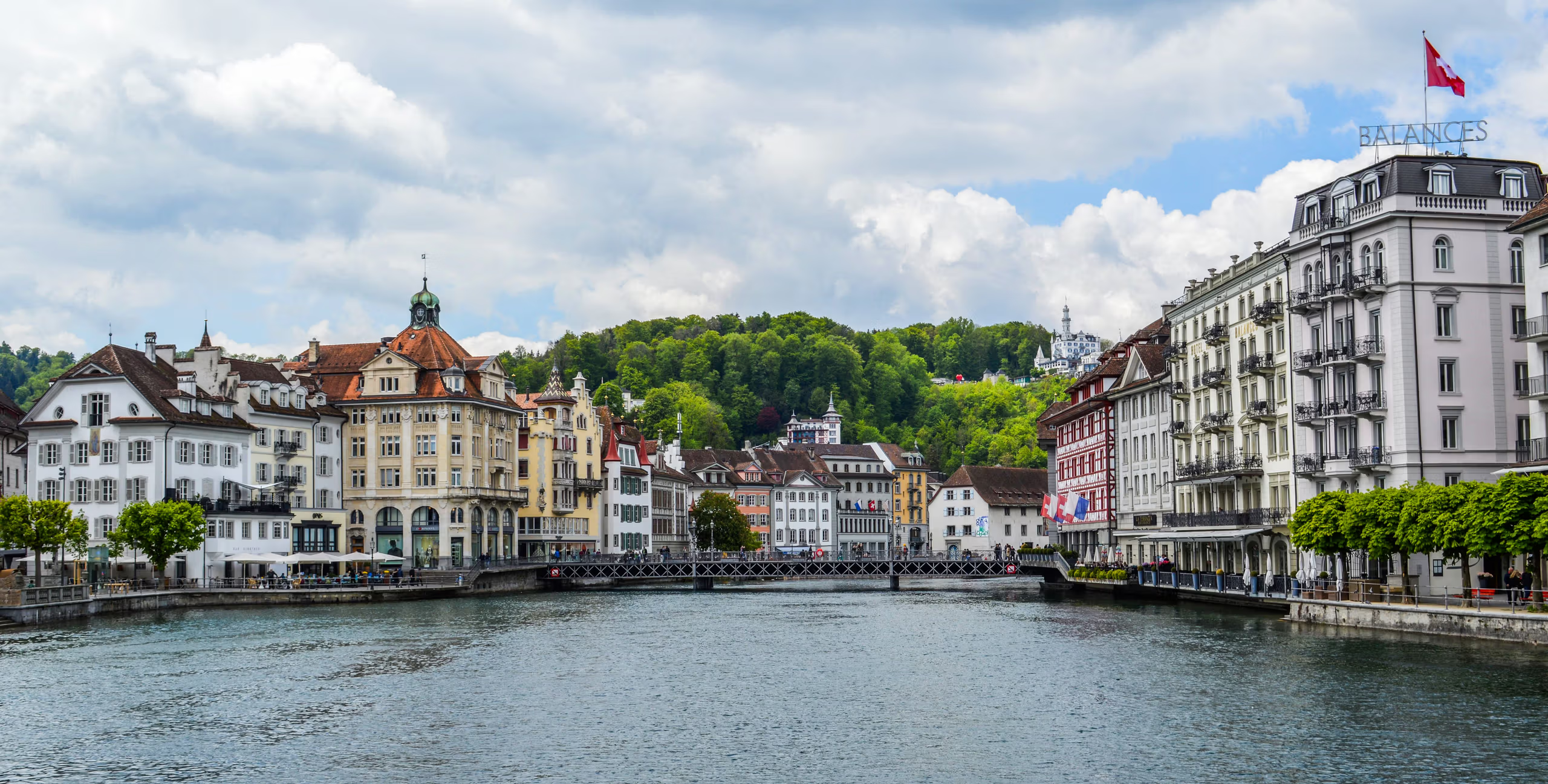
The residents of Lucerne are evidently convinced that the cure for a tight housing market is a healthy dose of municipal interference. In a striking display of economic naivety, an overwhelming 68 percent of voters in the wealthy Swiss city have approved a measure granting the local government a right of first refusal on large residential properties and plots of land. Starting in 2027, whenever two private parties agree to a real estate transaction, the city apparatus can simply step in and acquire the property at the negotiated price.
This heavy-handed intervention is triggered automatically whenever the local housing vacancy rate dips below 1.5 percent. Considering Lucerne has not seen a vacancy rate above that threshold in a quarter of a century, the city has effectively granted itself a permanent mandate to play real estate magnate. The aim of this bureaucratic land grab is creating 1,100 additional affordable apartments by 2048. Through this mechanism, alongside a suite of newly approved municipal foundations and state-backed loans, local officials hope to artificially inflate the share of non-profit housing from 14 to 18 percent.
One might expect a country with such a robust economy and exceptional educational standards to grasp basic supply and demand. Instead, Lucerne has opted to treat the symptoms rather than the disease. A 2023 federal survey revealed that two-thirds of Swiss urban municipalities suffer from housing shortages, primarily due to a severe lack of developable land. Yet, rather than loosening zoning laws or incentivising private construction, the political consensus leans toward market disruption.
The mechanics of Lucerne’s new law are predictably convoluted. Once the city intercepts a sale, it has a three-year window to transfer the property to housing cooperatives or other non-profit developers under a leasehold agreement. Should the municipal planners fail to execute this within the designated timeframe, the property reverts to the original buyer or seller. Exemptions exist only for minor assets like single-family homes or transfers within direct family lines, leaving the bulk of the commercial and multi-family market exposed to sudden state appropriation.
Local officials are already attempting to soothe the nerves of property developers. Korintha Bärtsch, Lucerne’s director of construction, issued a predictably bureaucratic assurance regarding the city's purchasing appetite, stating that suitable properties must be on the market; the city does not want to buy everything. Such promises offer cold comfort to investors who now face the prospect of negotiating complex deals, only to have the fruits of their labour snatched away at the final hurdle by a well-funded municipal competitor.
While the cantons of Geneva and Vaud have long experimented with similar state interventions, German-speaking regions have historically shown more restraint. Voters in Zurich, for instance, sensibly rejected a comparable proposal in late 2025. Lucerne’s departure from this pragmatic tradition reflects a growing, albeit misguided, belief that a wealthy state can simply purchase its way out of structural market deficits. By substituting private investment with municipal administration, Lucerne risks chilling the very construction activity it desperately needs.
Written by Martina Kirchner martina.kirchner@alpineweekly.com