
Aug 22, 8:01 AM
The Grim Arithmetic of Aid: Donor Fatigue Leaves Somalia to Starve
As Western donors pull funding over corruption concerns, the resulting collapse of medical infrastructure threatens millions of children.
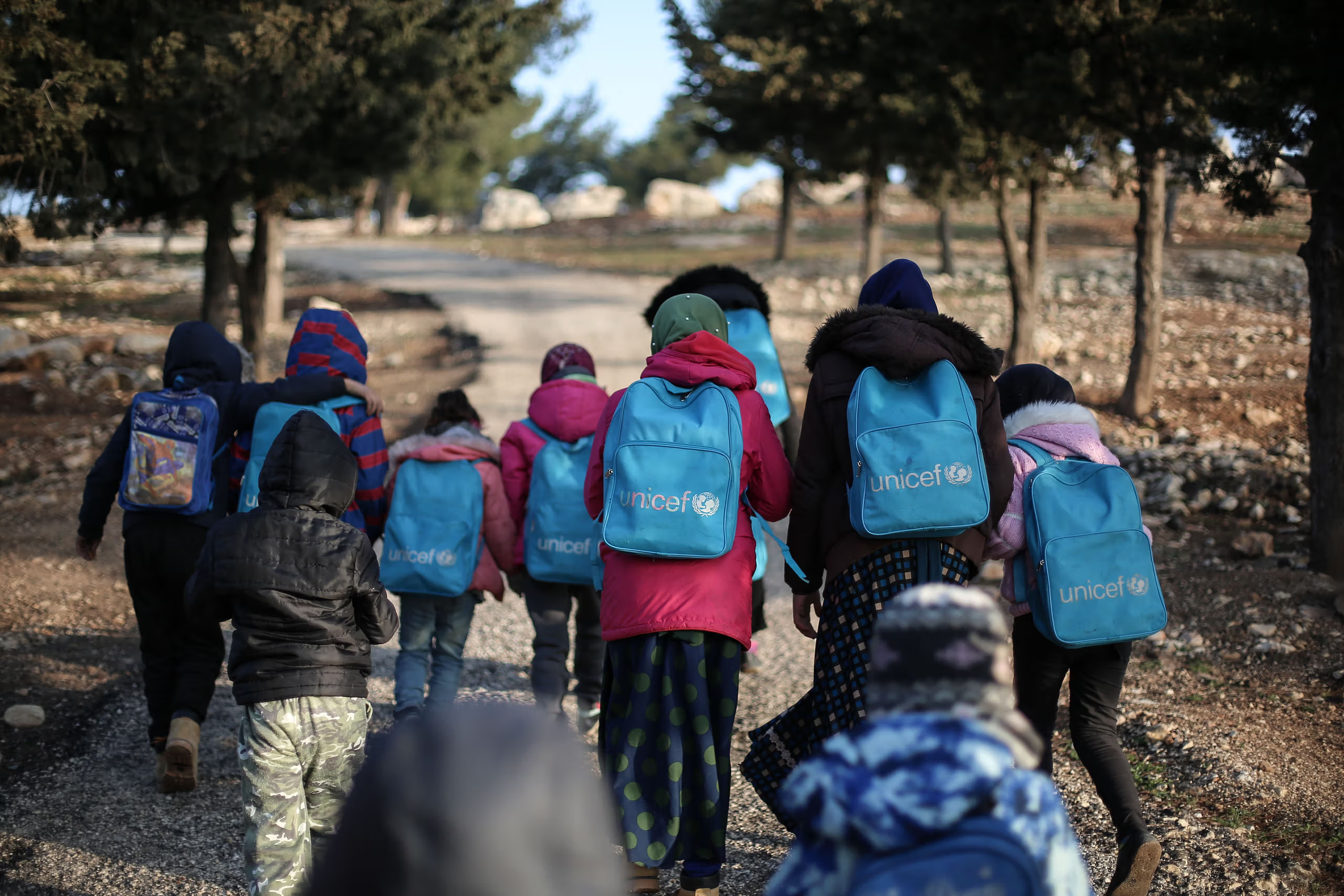
The grim arithmetic of international development dictates a harsh reality: when donor patience finally evaporates, the most vulnerable segments of society are invariably handed the bill. Somalia is currently providing a brutal, real-time masterclass in this dynamic. The East African nation is facing an acute health crisis as the international community pulls back its financial support, leaving a fragile medical infrastructure to collapse under the weight of environmental and economic shocks.
According to the United Nations children's agency, UNICEF, admissions for severe acute malnutrition with complications among Somali children surged by 32 percent in the first half of 2026. This spike is not merely the result of the region's perennial environmental challenges. It is the direct consequence of a sudden, drastic evaporation of Western capital. More than 200 health and nutrition facilities have already been forced to shut their doors, leaving rural populations entirely cut off from basic medical care.
The financial retreat is staggering in its scale. Doctors Without Borders reports that funding dedicated to combating acute malnutrition in parts of the country has plummeted by over 80 percent this year alone. The United States and several other Western nations have significantly curtailed their contributions. Washington even went as far as explicitly excluding Mogadishu from a recent two-billion-dollar global humanitarian pledge. The justification provided for this exclusion centres on persistent allegations of aid diversion and systemic corruption. It highlights the eternal, cynical dilemma of foreign assistance: local elites siphon off resources meant for the destitute, prompting foreign treasuries to close their wallets, which ultimately guarantees that the destitute remain exactly where they started.
This fiscal withdrawal could hardly come at a worse time for the local population. A relentless drought has decimated livestock herds and ruined agricultural harvests, effectively destroying the livelihoods of millions. Aid organisations estimate that half a million people were displaced by dry conditions between January and April alone, adding to an already staggering internal refugee population of 3.3 million. The economic ripple effects are equally devastating. UNICEF notes that the cost of water in rural and pastoral regions has quadrupled. Concurrently, global geopolitical friction—specifically the broader conflict involving the US, Israel, and Iran—has driven up the cost of essential imports like fuel and fertiliser, straining an already broken supply chain.
The future trajectory looks exceedingly grim. UNICEF projects that nearly 1.9 million children will suffer from malnutrition before the year is out, while nearly a million children under five, alongside adolescent girls and women, risk losing access to nutrition services entirely. Speaking from Nairobi, the agency's spokesman James Elder warned that under severe funding scenarios, as many as 618 health facilities could face permanent closure nationwide. This is the wrong moment to retreat, Elder told reporters in Geneva. Yet, with a record-strength El Nino climate pattern threatening to compound the misery with severe flooding, the humanitarian apparatus in East Africa is staring down a perfect storm. The structural rot of aid dependency and local corruption has finally met donor fatigue, and a million children are caught in the crossfire.
Written by Martina Kirchner martina.kirchner@alpineweekly.com


