Jun 14, 10:01 AM
The Bureaucracy of Sunburn: Sardinia's Bizarre Beach Tax
Villasimius introduces strict quotas and an age limit on shade, highlighting Italy's talent for extracting revenue while ignoring infrastructure.
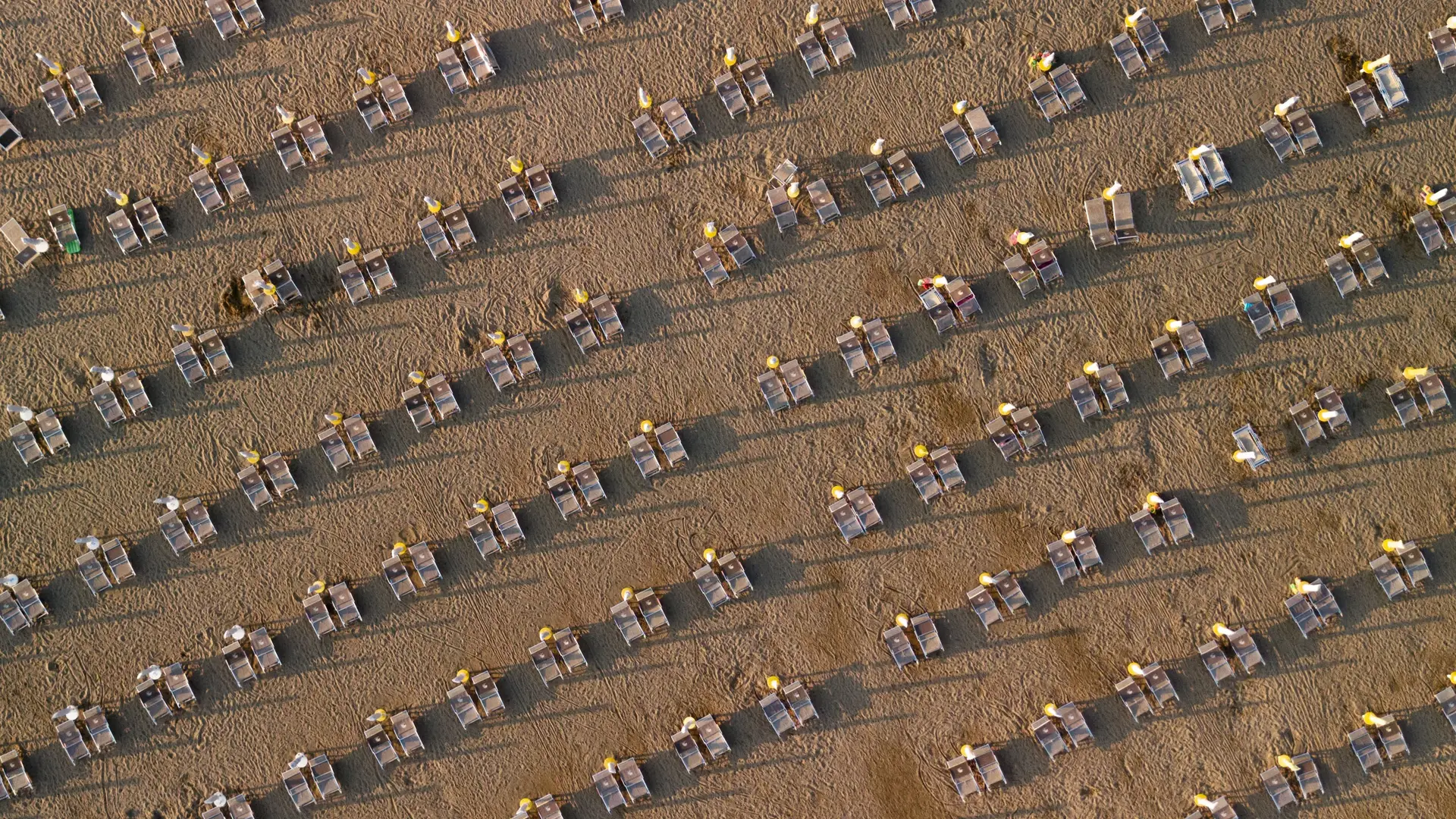
The Mediterranean sun does not discriminate, but the municipal administration of Villasimius certainly does. In a move that blends environmental anxiety with the peculiar logic of Italian bureaucracy, access to shade on the Sardinian beach of Punta Molentis is now strictly age-gated. If you happen to be between the ages of ten and sixty-five, you are expected to endure the ultraviolet radiation without the shield of a beach umbrella.
This peculiar rationing of canvas and poles is the brainchild of Mayor Gianluca Dessì. Following a devastating wildfire on July 27, 2025, which scorched vegetation and incinerated parked cars, the local government has decided that the best way to heal the charred landscape is to heavily regulate the tourists who come to look at it. From June 6 to October 31, 2026, visitors must navigate a labyrinth of quotas and fees to set foot on the sand.
The privilege of risking a sunburn now costs ten euros per person. The municipality has capped land access at a mere 150 individuals at any given time, restricting vehicular traffic to 70 cars per day. Those arriving by sea face even more draconian terms. Boat access is limited to 100 people simultaneously, restricted to a single hour, and accompanied by a strict ban on disembarking with backpacks or cool bags. The local police are tasked with enforcing these rules, conducting sweeps three times a day between the operating hours of 8:00 and 20:30.
According to the official decree, the mayor insists it is necessary to adopt extraordinary measures aimed at protecting the site's environment, safeguarding protected habitats and ensuring users' safety. The administration further claims it is essential to keep the human pressure within limits compatible with the current conditions of the beach. Driving poles into the sand is strictly forbidden, ostensibly to preserve the geomorphological balance of the coastline.
Yet, this sudden burst of administrative vigor masks a familiar Italian reality. The country has long coasted on its magnificent reputation, charging premium rates for access to natural wonders while neglecting the very infrastructure required to sustain them. Residents have been quick to point out the glaring hypocrisy of the new toll. While the municipality eagerly collects the ten-euro entry fees and parking charges, the roads leading to this supposed premium destination remain unpaved dirt tracks. Basic amenities like nighttime lighting are entirely absent.
Locals have resorted to bitter irony, wondering aloud on social media if they must rent a toddler or borrow a grandfather just to secure a patch of shade. The underlying frustration is palpable. The state apparatus, highly efficient at inventing new taxes and arbitrary restrictions, remains chronically incapable of repairing a pothole. Villasimius is merely offering a microcosm of the national condition: a spectacular landscape burdened by crumbling infrastructure, where the government extracts maximum revenue while delivering absolute minimum service.
Written by Andreas Hofer andreas.hofer@alpineweekly.com