
Aug 9, 6:01 AM
Tarmac Roulette: Sydney Airport's Near-Miss Exposes Chronic Labor Deficits
A narrowly avoided collision between a Jetstar A320 and a Qatar Airways Boeing 777 highlights the systemic fragility of Australia's air traffic control network.
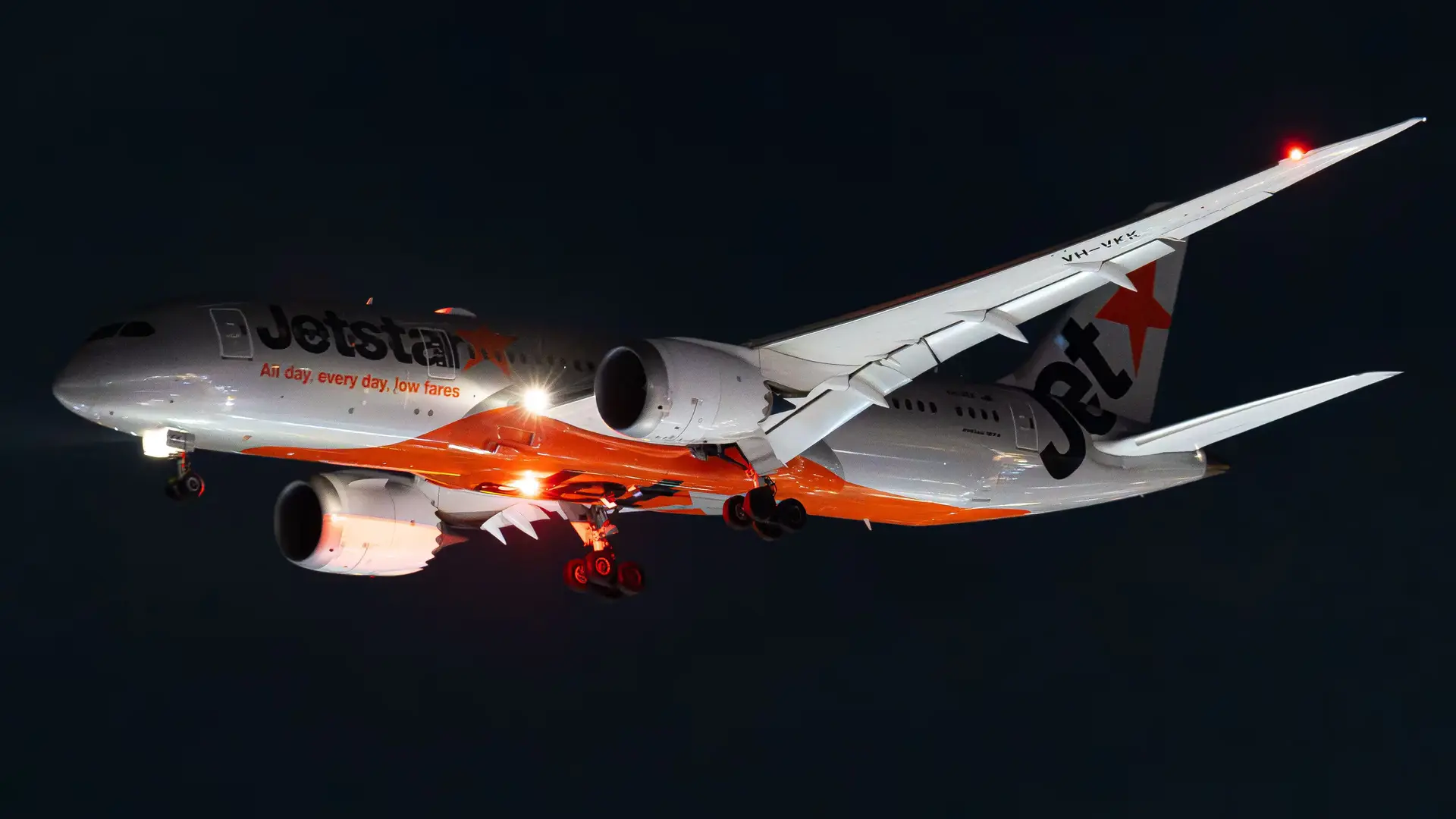
Sunday morning at Sydney Airport offered a stark illustration of what happens when critical infrastructure operates at the margins of its capacity. At 7am, a Jetstar Airbus A320, designated flight JQ402 to the Gold Coast, and a Qatar Airways Boeing 777 found themselves sharing a rather too intimate patch of tarmac. The Jetstar pilots were forced into an abrupt halt to avoid the Boeing, which was being pulled by a tug vehicle across a crossing taxiway. The sudden braking resulted in an injury to a Jetstar cabin crew member and snapped the connection between the Boeing’s nose gear and its tug. Passengers escaped unhurt, though their flight was promptly cancelled and they were rebooked on later services.
The Australian Transport Safety Bureau has naturally launched an investigation into the tarmac encounter. Bureau officials are currently gathering CCTV footage and preparing to interview flight crews, tug operators, and air traffic controllers. Early indications point toward the tug driver potentially ignoring directions, according to initial inquiries. Yet, focusing solely on a single operator’s situational awareness risks ignoring the broader operational chaos plaguing Australia’s busiest aviation hub. Jetstar maintains its crew was strictly following air traffic control instructions before the sudden encounter.
The true vulnerability of the network lies in the chronic inability to adequately staff the control tower. Airservices Australia, the state-owned corporation responsible for airspace management, failed to roster sufficient personnel for three consecutive days over the weekend. This administrative failure triggered a cascade of disruptions well before Sunday’s tarmac drama. On Friday, passengers sat stranded on the apron for over an hour as 120 flights faced delays. By Saturday, the backlog had swollen to affect more than 150 services. Stephen Beckett, chief executive of Airlines for Australia and New Zealand, confirmed the consecutive days of roster shortfalls, painting a picture of an agency struggling to perform its core function.
New South Wales Premier Chris Minns expressed predictable concern over both the safety risks and the economic friction caused by an airport operating at reduced capacity. The premier correctly identified air traffic control as a fundamental economic necessity rather than a luxury, though he conveniently attributed the recruitment struggles to a tight labor market. He noted that the state cannot afford to have passengers disrupted by cancelled services simply because of a lack of control tower personnel.
Minns also pointed out the impending opening of the new Western Sydney airport, which will inevitably draw from the same shallow pool of highly specialised labor. If aviation authorities cannot manage to keep two aircraft apart on a Sunday morning, expanding the network without fixing the underlying workforce deficit seems an invitation to further dysfunction.
Written by Sandy van Dongen sandy.vandongen@alpineweekly.com