Sep 6, 4:01 AM
From Crime Host to Condemned: Sarah Khalifa's Fatal Plot Twist
An Egyptian court confirms the death penalty for a celebrity presenter and her co-defendants in a massive narcotics case.
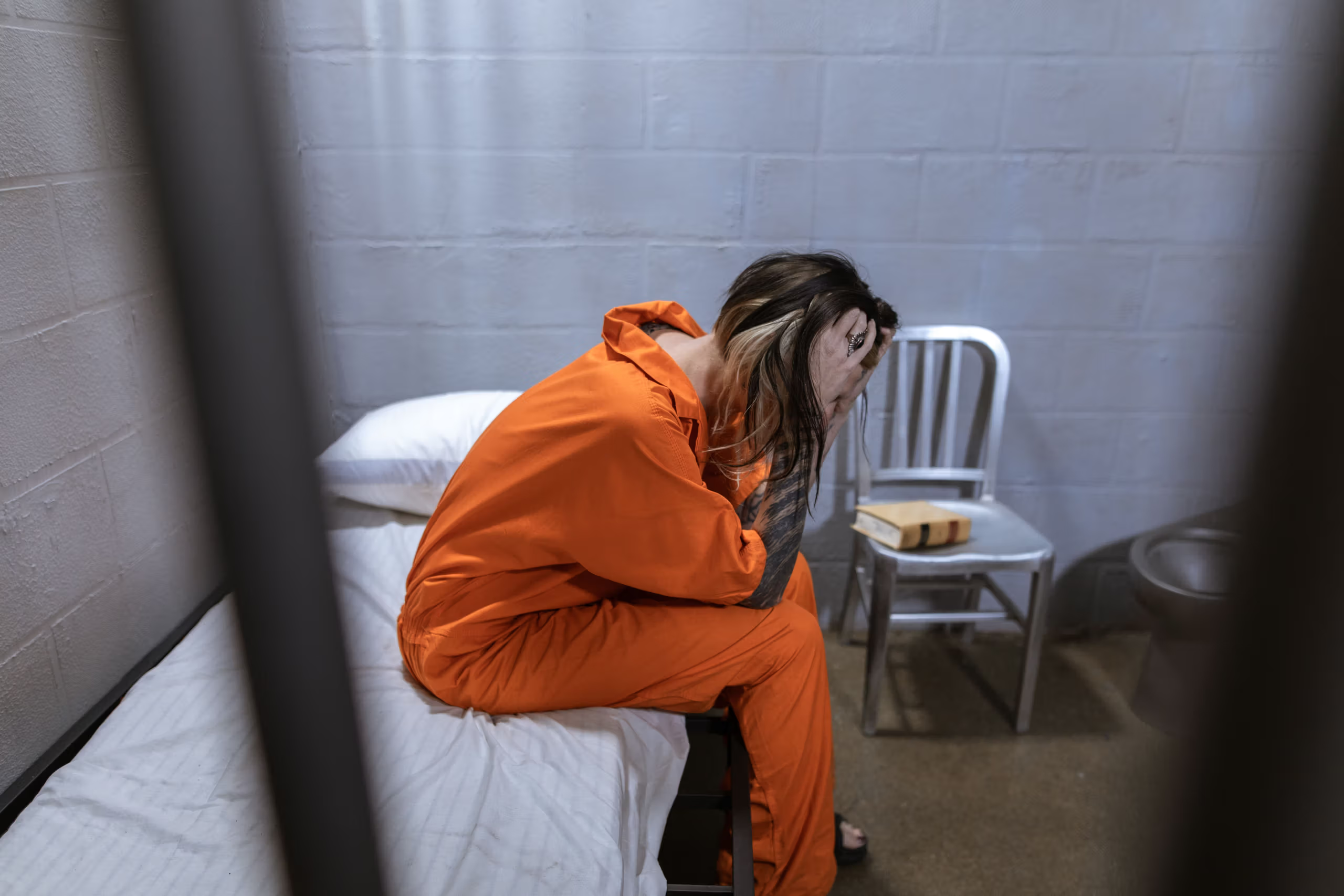
For years, Sarah Khalifa made a career out of exposing the criminal underworld to Egyptian television audiences. As the host of the crime show Mission Impossible, the 39-year-old presenter guided viewers through the murky reality of illicit activities, projecting an image of unyielding moral authority. The script has now taken a remarkably dark turn: Khalifa finds herself cast not as the investigator, but as the condemned.
An Egyptian court has confirmed a sentence of death by hanging for Khalifa and eleven co-defendants following their conviction on massive narcotics and weapons charges. According to state media reports, the syndicate imported raw chemical compounds to manufacture and distribute illegal drugs nationwide. Security forces reportedly seized over 750 kilograms of narcotics and manufacturing materials, along with an illegal cache of firearms and ammunition.
In Egypt's judicial machinery, legal verdicts of this weight require a traditional layer of divine endorsement. Though the court originally announced the death sentences a month ago, the formal confirmation was delayed pending a mandatory review by the Grand Mufti of Egypt. Only after the chief religious authority provided his legal opinion could the judicial decree be finalized.
The prosecution assembled a formidable apparatus to secure the convictions, drawing on statements from twenty witnesses alongside digital records, including intercepted conversations and video clips. Beyond drug trafficking, the convictions against the group also included charges of rape. International legal observers frequently point out that such offences fall outside the threshold of intentional killing, to which the legal application of capital punishment is restricted under global standards.
Khalifa, however, insists the entire scenario is a state-manufactured illusion. During a court appearance, she stated that she had never seen any drugs until anti-narcotics officers photographed her alongside the evidence in their offices. Whether that defense reflects genuine innocence or a futile attempt to rewrite her ultimate plot twist, the legal battle is not entirely over. The verdict remains subject to appeal, offering a brief reprieve before the trapdoor opens.
Written by Andreas Hofer andreas.hofer@alpineweekly.com