Jul 23, 6:01 AM
Europe’s drought problem is no longer just about rain
A new study says the continent’s dry spell has been sharpened by heat, which is now pulling moisture out of land and water faster than rainfall can replace it.
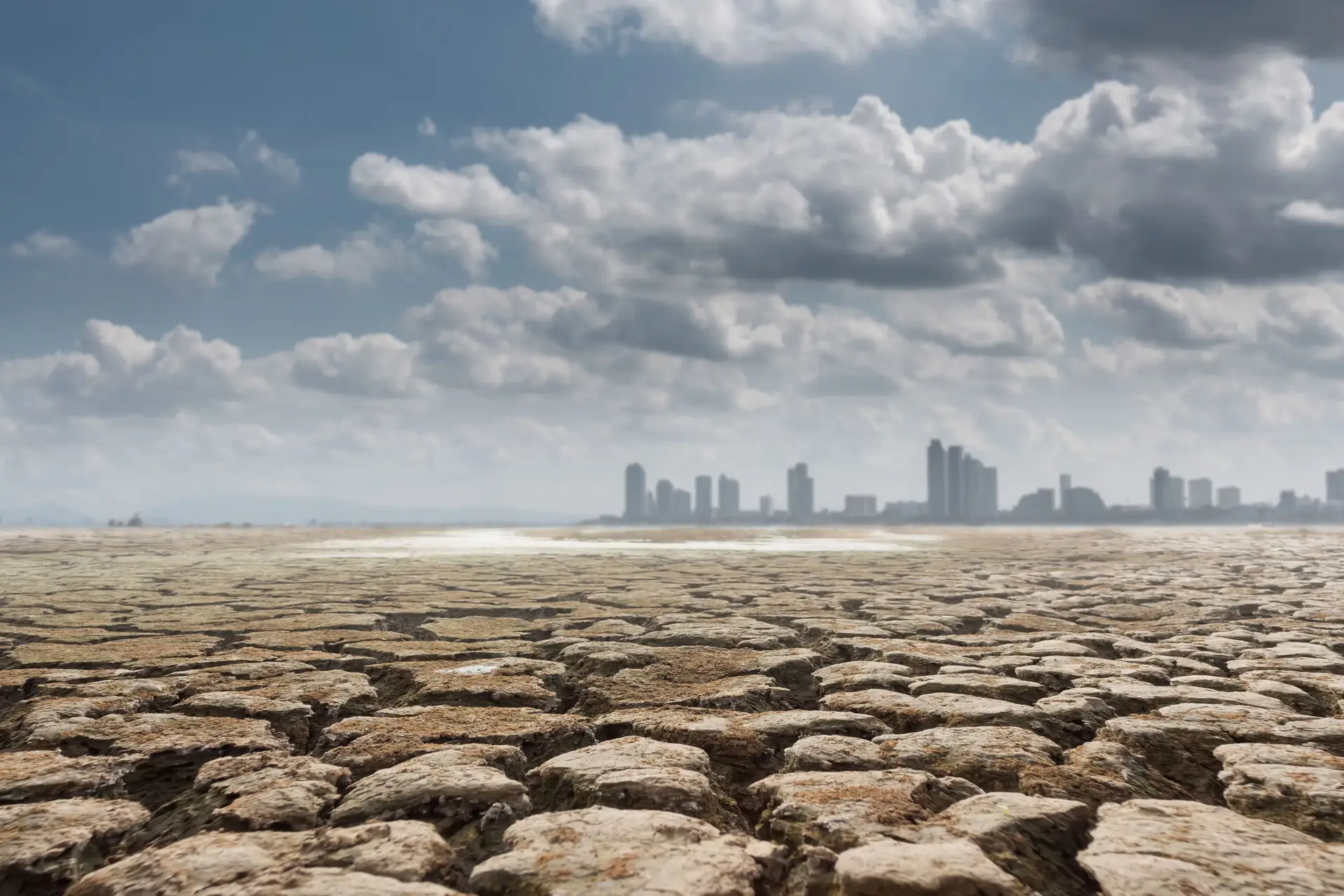
Europe has a drought problem, but the old explanation no longer does the job. A new study by international scientists says human-caused climate change has made the continent’s dry conditions more severe by turning extreme heat into the main engine of moisture loss. Rain matters, of course. Yet the more uncomfortable truth is that heat is now doing much of the damage itself.
The picture on the ground is hardly subtle. From France to Romania, rivers are running low, water restrictions are in place and wildfires have already done their worst after a historic heatwave in June. The study, published on Thursday, argues that today’s hotter climate has accelerated the drying of soils, lakes and rivers, leaving much of Europe more exposed to bone-dry conditions than a generation ago could easily imagine.
Mariam Zachariah, who co-authored the World Weather Attribution study and works at Imperial College London, said the drought is not chiefly a story of low rainfall. Rather, she said, it is about a warmer atmosphere creating larger moisture deficits on land. Her point is simple enough: even where rainfall has not changed much, or may even rise seasonally, drought risk can still climb because the air itself is greedier.
That is not a poetic flourish. A warmer atmosphere can hold about seven per cent more water vapour for every 1C increase in temperature, which means it can pull more moisture from the ground and vegetation. Europe has already warmed by about 1.4C since 1850–1900, mostly because of coal, oil and gas. The result is predictable, if inconvenient for anyone who likes to pretend physics negotiates.
Dominik Schumacher of ETH Zurich said the recent heat was enough to bake even relatively wet regions dry within months. He described a chain reaction: hotter air dries the soil, drier soil heats up further, and the land becomes easier fuel for wildfires. That is the sort of feedback loop that makes droughts more than a weather event; they become a systems failure.
The researchers compared the current drought in a warmer world with a climate 1.4C cooler, using weather data and computer models from Europe, the United States and the United Kingdom. Their findings were stark. Extremely dry soils were five times more likely in western Europe than they would have been without climate change, and 11 times more likely in eastern Europe. The atmosphere’s evaporative demand — its appetite for moisture from soils and plants — was about 80 times more likely between April and June in western Europe.
Copernicus Climate Change Service said last month was the hottest June ever recorded in western Europe, and the heatwave was linked to thousands of excess deaths. The study’s message is therefore not merely that Europe is getting warmer, but that warmth is changing the mechanics of drought itself. In a continent already juggling water stress, fire risk and political complacency, that is a costly upgrade nobody ordered.
Written by Christiane Hofreiter christiane.hofreiter@alpineweekly.com