Jun 16, 10:04 PM
Academia Discovers the Traditional Male: The Invention of Factor M
A new study from the University of Zurich sounds the alarm over young men embracing traditional masculinity, proposing bureaucratic solutions to a working-class reality.
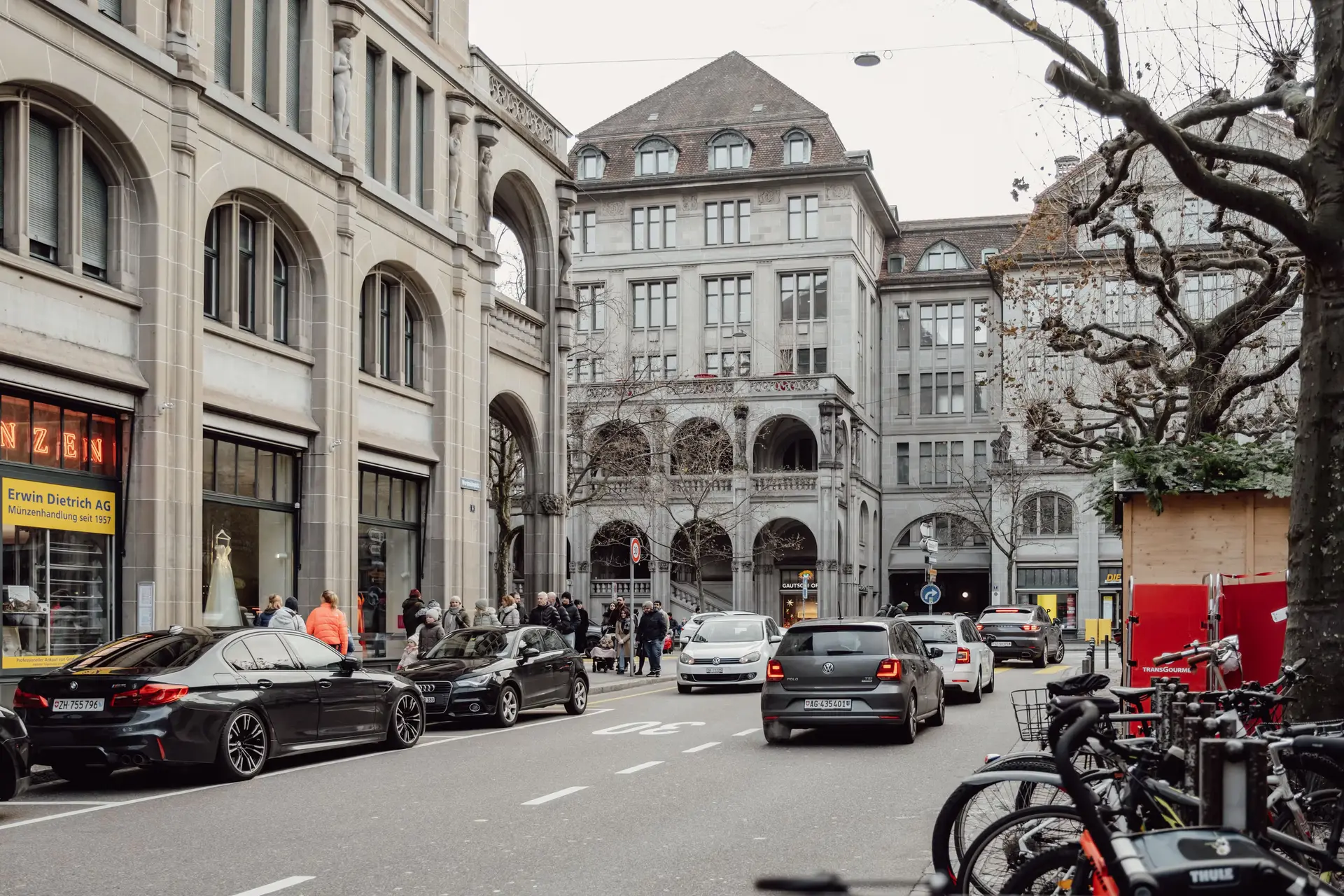
Switzerland is a wealthy, highly educated nation that prides itself on a smoothly functioning, moderately pragmatic state apparatus. Yet, beneath the surface of this prosperous alpine society, academia has identified a terrifying new threat to the social order: young men embracing traditional masculinity.
The University of Zurich’s Jacobs Center for Productive Youth Development, in collaboration with the umbrella organization männer.ch, recently surveyed over 6000 individuals aged 18 to 64. The resulting study on changing masculinity reveals what the researchers consider an alarming trend. Nearly a third of Swiss men between the ages of 18 and 24 harbor what is officially classified as a problematic view of their own gender.
To quantify this perceived crisis, the researchers invented a new metric dubbed Factor M. This index aggregates a variety of attitudes, ranging from an adherence to traditional gender roles and skepticism towards modern equality initiatives, to an outright acceptance of violence and hostility towards women and minorities. High scores denote a worldview anchoring masculinity in dominance and stoicism.
Across all age groups, one in five men falls into this high-risk category. Among the youngest cohort, that figure jumps to 31 percent, while a mere seven percent of women exhibit similar traits. The data also links high Factor M scores to a greater willingness to view violence as a legitimate tool in child-rearing and a higher likelihood of experiencing conflict-ridden partnerships.
Perhaps the most striking revelation is the pervasive sense of displacement among the youth. Almost half of the young men surveyed expressed a genuine fear that traditional masculinity is being actively marginalized by society. Naturally, the academic response is to search for external culprits. The researchers point to the digital socialization of a generation raised on platforms like TikTok and YouTube, where internet personalities preach a gospel of status and toughness. They also suggest that the social isolation of the pandemic years played a role in warping these fragile male identities.
A closer look at the demographics reveals a distinct class divide, one that the rather naive Swiss educational establishment seems ill-equipped to handle. The highest concentrations of this dreaded Factor M are not found in university lecture halls, but among those with lower incomes and less formal education. Nearly half of young men completing a vocational apprenticeship score in the highest bracket. Geographically and culturally, the phenomenon is most pronounced in the German-speaking cantons and among men with familial roots in the former Yugoslavia. The researchers attribute this to experiences of discrimination and a reliance on traditional ideals as a coping mechanism.
The proposed remedies are as predictable as they are bureaucratic. The university suggests seven interventions, leaning heavily on the state to fix what is deemed broken. Schools are expected to shoulder the burden by embedding gender role reflection and violence prevention into their curricula. The authors also demand that youth be sensitized to the algorithmic machinations of social media influencers and that state programs bolster relationship competencies and support for fathers.
A prosperous, highly educated society is attempting to engineer away the rough edges of its young male population through institutional programs and academic metrics. Whether a state-mandated lecture on algorithmic bias will convince a working-class apprentice to abandon his traditional worldview is highly questionable.
Written by Martina Kirchner martina.kirchner@alpineweekly.com