Jun 12, 10:02 AM
A Flicker in the Swiss Illusion: Biel's Morning Blackout
Even in a wealthy nation known for its flawless state machinery, a smoking substation can bring city life to a grinding halt.
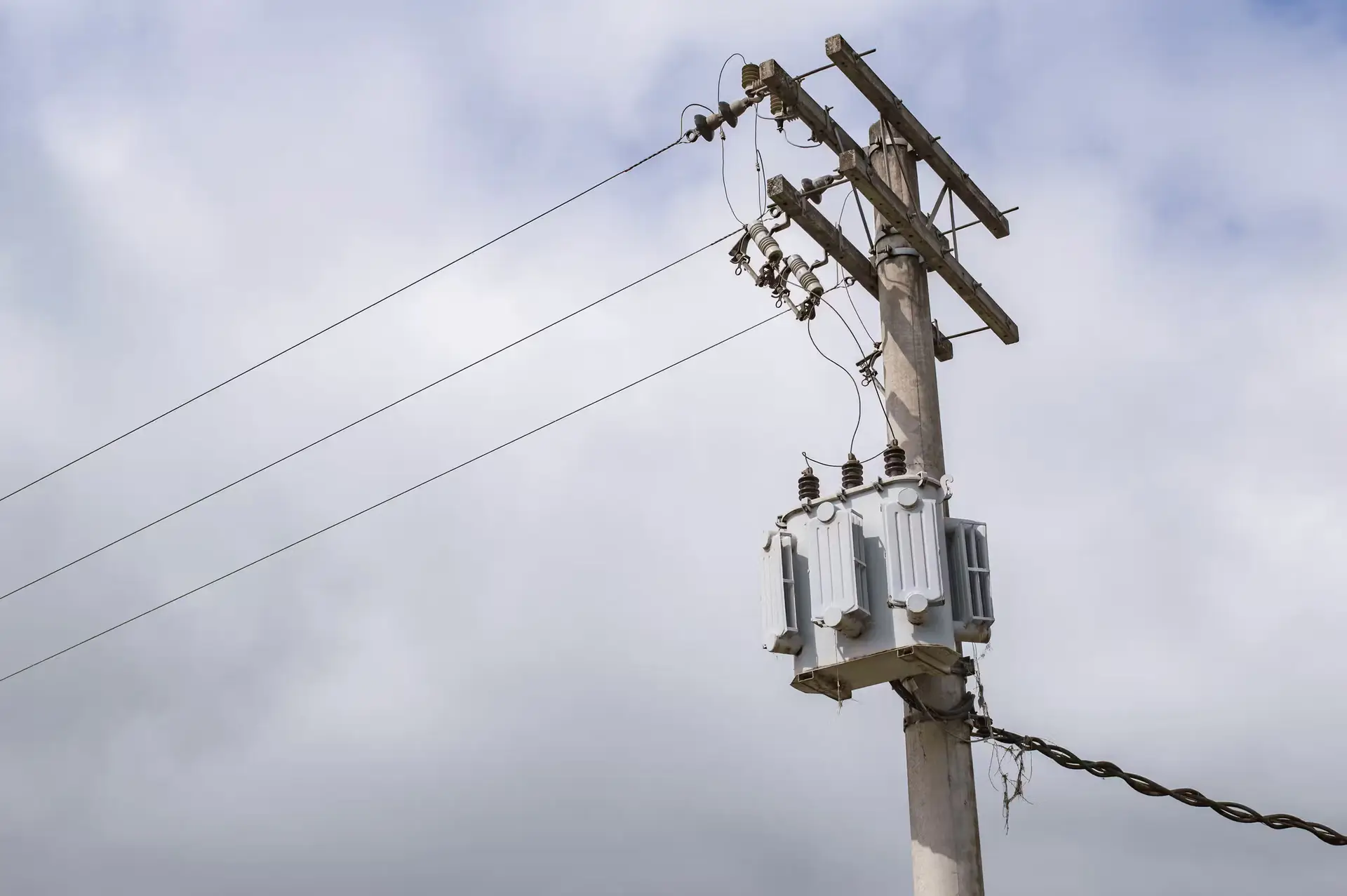
Switzerland generally prides itself on a state system so reliable it borders on the mundane. The nation enjoys immense wealth, a robust economy, and the comfortable luxury of watching European crises from a safe, non-committal distance. Yet, for a brief window on a Friday morning, the residents of Biel found themselves grappling with a sudden plunge into darkness. A technical defect at the Mett substation managed to paralyze parts of the city, proving that even a country with an ostensibly flawless infrastructure is not immune to basic electrical failures. The outage cast a temporary, albeit highly inconvenient, shadow over the local morning routine.
The disruption originated precisely at 06:40 AM, a time when the local workforce is usually preparing to contribute to that famously healthy economy. According to the local energy provider, Energie Service Biel, the defect triggered heavy smoke development at the Mett facility. This localized equipment failure cascaded rapidly, resulting in a short-term, city-wide blackout. For nearly two hours, the usually humming machinery of this Swiss hub ground to a halt. It was only around 08:30 AM that the utility company managed to restore the bulk of the power supply, leaving only the Bözingenfeld area disconnected for an extended period.
True to the cautious, perhaps slightly timid nature of the Swiss administrative apparatus, the Canton of Bern immediately sprang into action with a series of public directives. There is no danger, the cantonal authorities announced, while simultaneously urging the population to avoid elevators and unplug mains-operated devices. It is a classic bureaucratic reflex: reassure the public of their absolute safety while gently reminding them not to trap themselves in steel boxes between floors. The state system functions predictably, dispensing calm instructions even when the electricity does not cooperate.
Unsurprisingly, the Biel Hospital Center remained entirely unaffected by the grid's collapse, as emergency generators took over instantly to ensure continuous care. This seamless transition reflects the country's well-funded emergency preparedness and excellent technical education. No injuries were reported throughout the entire ordeal. Switzerland may comfortably profit from its bespoke economic arrangements outside the European bloc, but its domestic grid remains tethered to the same physical vulnerabilities as anywhere else. When a local substation decides to emit smoke rather than voltage, all the accumulated wealth in the world cannot keep the lights on.
Written by Martina Kirchner martina.kirchner@alpineweekly.com