Sep 15, 10:01 AM
Capitol Hill’s Fragile Arithmetic: McConnell’s Return Exposes Republican Vulnerabilities
The 84-year-old Senate leader returns after a three-month absence, highlighting a razor-thin majority where every vote counts.
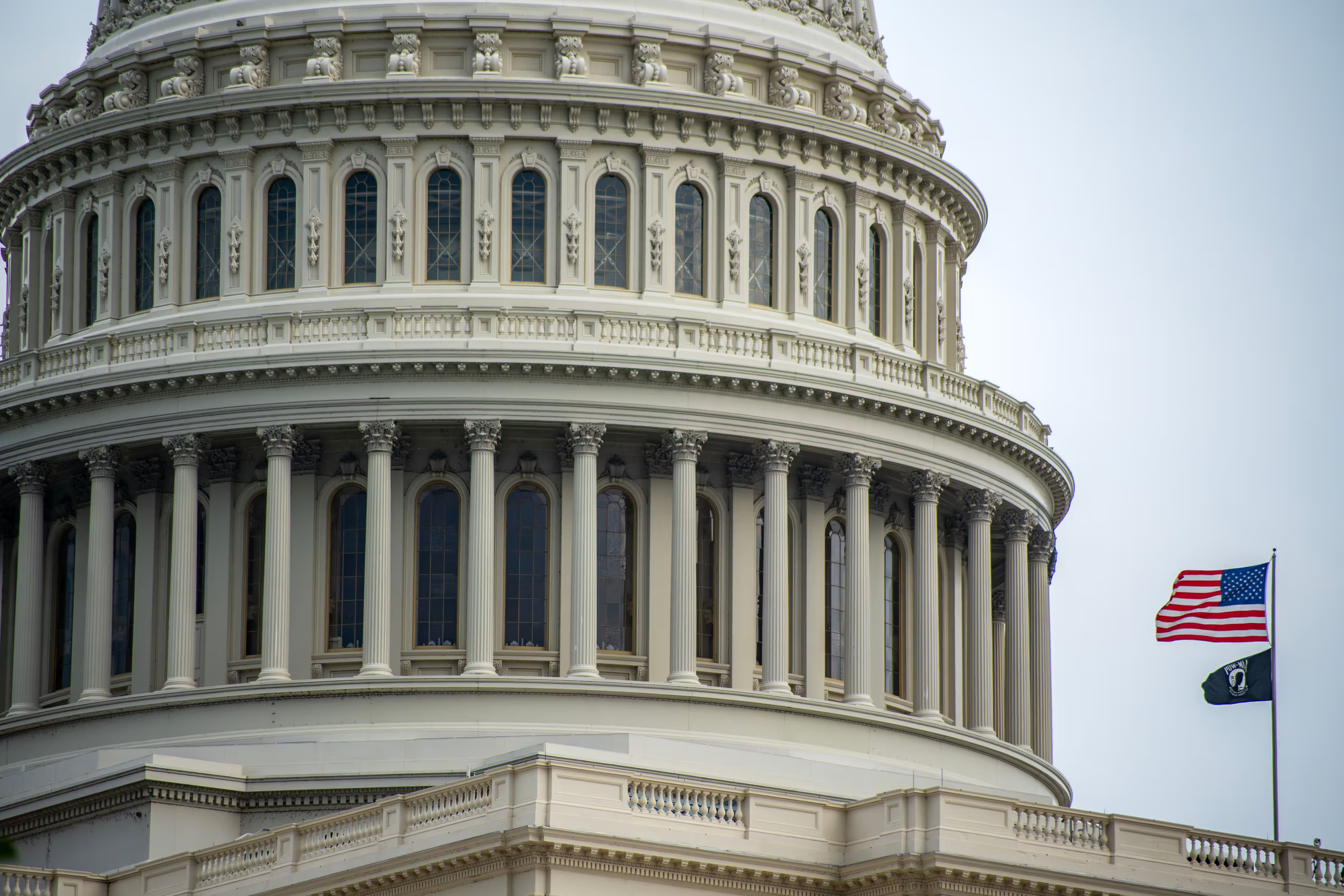
The arithmetic of power in Washington does not pause for geriatric ailments, as the Republican leadership in the United States Senate was recently reminded. Mitch McConnell’s return to Capitol Hill after a three-month medical absence highlights the fragile margins governing contemporary American legislative politics. At 84, the veteran lawmaker from Kentucky shuffled back onto the Senate floor to cast his first vote since suffering a severe fall at his Washington home in June.
McConnell, the longest-serving party leader in Senate history, made no secret of his compromised health. Speaking to reporters outside the chamber, he acknowledged that he was far from fully recovered, citing lingering complications from childhood polio that have made his rehabilitation arduous. Nevertheless, with Republicans clinging to a narrow 53 to 47 majority, individual attendance is no longer a personal choice, but a strict political imperative.
During McConnell’s ninety-day hiatus, the vulnerability of that slim majority became glaringly obvious. Senate Democrats capitalized on his absence by pushing through a resolution directed against President Donald Trump’s war with Iran. The measure passed after four Republican senators broke party ranks—a rare rupture that revealed the absence of McConnell’s famed party discipline and tactical oversight. Without his steady hand steering floor proceedings, internal ideological friction quickly translated into legislative defeats.
The prolonged absence predictably fueled partisan maneuvers back home in Kentucky. Governor Andy Beshear, a Democrat, publicly questioned whether McConnell remains physically capable of serving out his term, which extends until January 2027. McConnell had already announced early last year that he would not seek an eighth term, transforming his remaining time in office into an exercise in political survival and legacy preservation.
McConnell’s decision to return despite clear physical limitations illustrates the cold reality of the current Senate floor. When legislative outcomes hinge on a handful of individual votes, party loyalty requires even elderly leaders to appear on the floor, regardless of physical strain. Whether an ailing veteran can continue to enforce discipline among an increasingly divided Republican caucus until his term expires in 2027 remains one of Washington's central tactical uncertainties.
Written by Martina Kirchner martina.kirchner@alpineweekly.com