
Sep 7, 6:02 PM
From Pub Floors to Old Trafford: Valdas Dambrauskas and the Triumph of Individual Grit
A Lithuanian manager's nomadic journey through European football leads back to where his coaching career began.
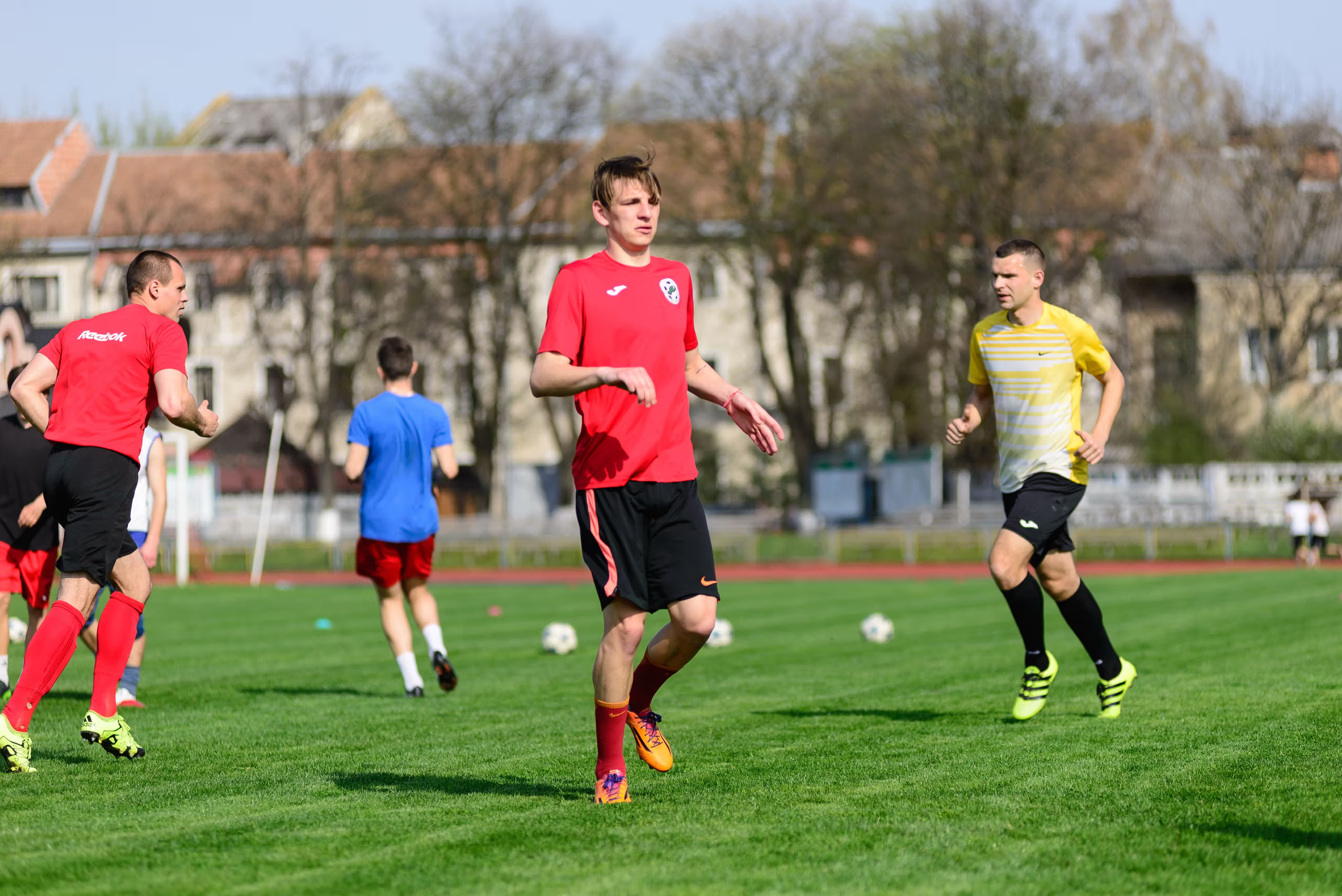
When Azerbaijani side Sabah walk out at Old Trafford for their Champions League fixture against Manchester United, the spotlight will inevitably fall on their 49-year-old manager, Valdas Dambrauskas. For the Lithuanian coach, stepping into the venue completes a two-decade odyssey that began in the lower rungs of English community football and youth development.
Dambrauskas’s career trajectory offers a study in self-reliance and personal ambition. Winning 4,000 litas on a game show in 2002—a sum equivalent to six months of average wages in Lithuania—he used the money to move to London, leaving behind a domestic environment with limited opportunities for ambitious young professionals. Arriving with basic English skills, he financed his coaching education at London Metropolitan University by juggling up to four jobs simultaneously, working as a gardener, handyman, pub floor polisher, and newspaper distributor.
His willingness to invest effort at the grassroots level gradually yielded results. After volunteering with London community projects like Access to Sports and London Tigers, Dambrauskas secured a role with Manchester United Soccer Schools in 2004. Subsequent spells at Fulham and Brentford prepared him for a return to Eastern Europe in 2010 as an assistant at Ekranas, before he took charge at Zalgiris Vilnius, where he secured two league titles and three domestic cups.
What followed was a relentless tour across European football's peripheral leagues. Dambrauskas managed eight clubs across seven nations over nine years, amassing 13 trophies along the way. His itinerary included stints at RFS in Latvia, Ludogorets Razgrad in Bulgaria, and Hajduk Split in Croatia, alongside stops in Greece, Cyprus, and Hungary. While frequent management changes often suggest career volatility, Dambrauskas operated as an efficient contractor, delivering quick silverware wherever he landed.
Appointed by Sabah in the summer of 2025, he led the modest club from Masazir—founded only in 2017—to its first Azerbaijani league title and a domestic double. Reaching the Champions League main stage required steering the side through four qualifying rounds, culminating in a dramatic 5-2 victory over Hapoel Beer-Sheva to seal a 6-4 aggregate win. Sabah president Magsud Adigozalov highlighted the strategic impact of the manager, stating officially that his influence goes beyond tactics and that he has instilled a mindset and winning mentality in the team.
With upcoming fixtures against elite European clubs including Barcelona, Borussia Dortmund, and Manchester United, the small Azerbaijani side faces steep structural hurdles. Yet for a manager who built his credentials scrubbing floors and taking early morning paper routes, competing on football's wealthiest stage stands as a victory for individual enterprise.
Written by Freya Stensrud freya.stensrud@alpineweekly.com


