
Sep 12, 2:01 PM
Sabotage in Normandy Exposes Fragility of French Transport Infrastructure
A suspicious derailment between Rouen and Caen leaves dozens injured and forces a massive emergency response.
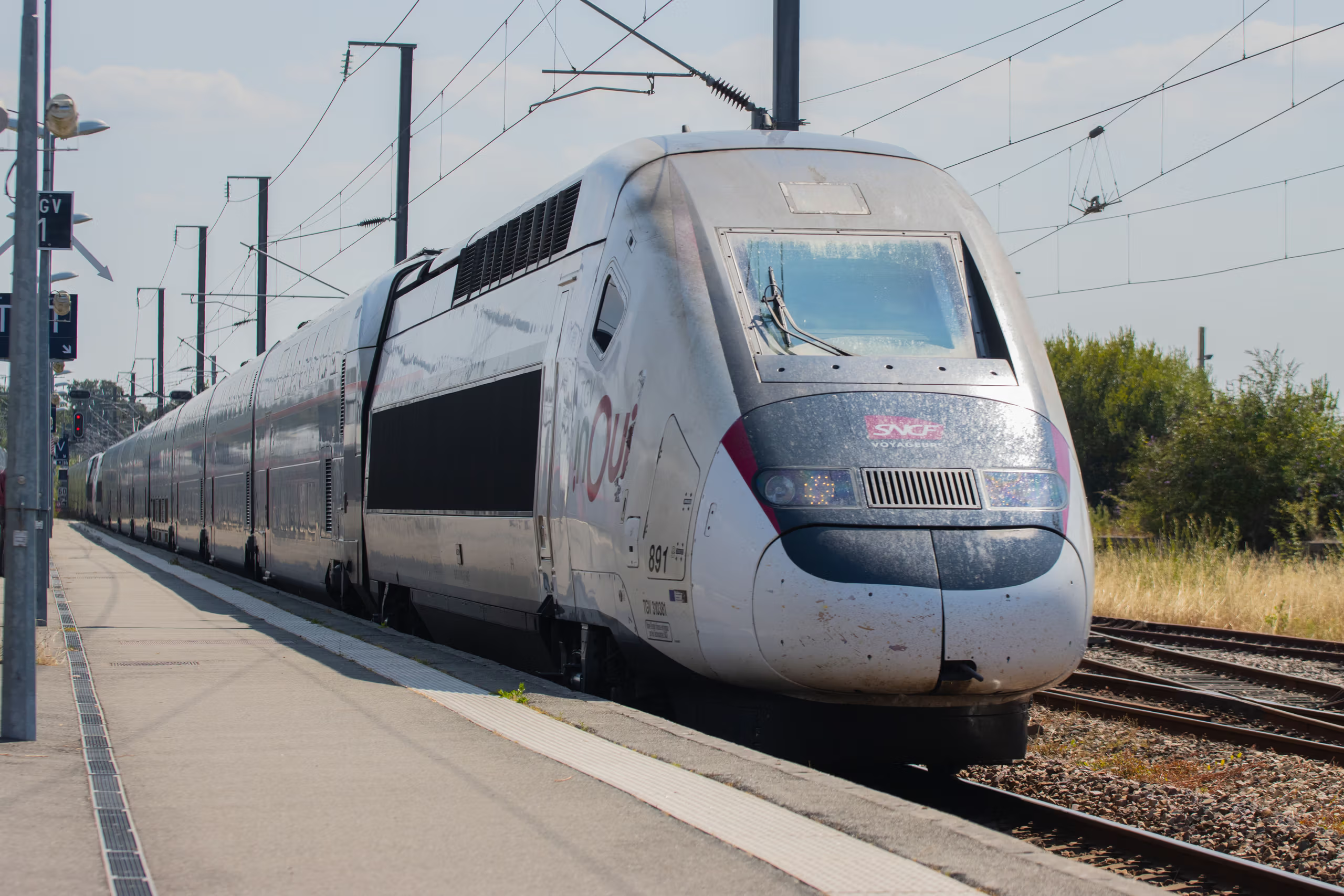
When a regional passenger train carrying 186 people ground to a sudden halt near the Renault manufacturing facility in Cléon on Friday evening, initial hopes pointed toward a routine technical fault. Reality quickly proved far more troubling. French law enforcement authorities confirmed on Saturday that investigators are treating the derailment on the line between Rouen and Caen as a deliberate act of sabotage, following the discovery of a rail fragment placed on the tracks.
The human toll of this disruption was immediate. Forty-four passengers sustained injuries, including an eighteen-year-old woman who required emergency evacuation in critical condition. Rouen prosecutor Sébastien Gallois confirmed that preliminary toxicological tests conducted on the train driver yielded negative results for alcohol and drugs, ruling out operational error at the controls and centering the state's inquiry entirely on intentional interference. Unharmed survivors were directed to temporary accommodations organized by the mayor of Cléon.
The scale of the emergency effort required to secure the site reflects the immediate operational strain imposed on public services. A massive contingent consisting of 130 firefighters, five specialized medical teams, and 80 emergency vehicles was dispatched to the tracks near Cléon. While rescue crews worked to stabilize the wounded, network manager SNCF Réseau severed power to the lines to allow emergency units to function safely, bringing regional rail movement to a prompt halt.
The functional impact extended rapidly across the regional transit network. The derailment created heavy disruptions along the Rouen-Caen line as well as the connecting service between Caen and Le Havre. On a route that normally operates ten daily return services during the week and six over the weekend, the rail operator was forced to scramble substitute bus transport. Meanwhile, the physical recovery of the derailed train remains stalled on the tracks, strictly awaiting clearance from the public prosecutor.
In response to the growing investigation, state-owned rail operator SNCF maintained that it would offer full cooperation in complete transparency to judicial authorities. Yet polished official assurances do little to alter the underlying picture for commuters. When vital transport arteries can be brought down by a stray piece of steel, public administration is forced to confront just how easily essential infrastructure can be thrown into disarray.
Written by Christiane Hofreiter christiane.hofreiter@alpineweekly.com


