
Jul 22, 6:01 AM
Australia’s new alert system is about to prove how universal it really is
A ten-second siren will hit most devices on Monday, but the test is already exposing the usual gaps between policy ambition and practical reality.
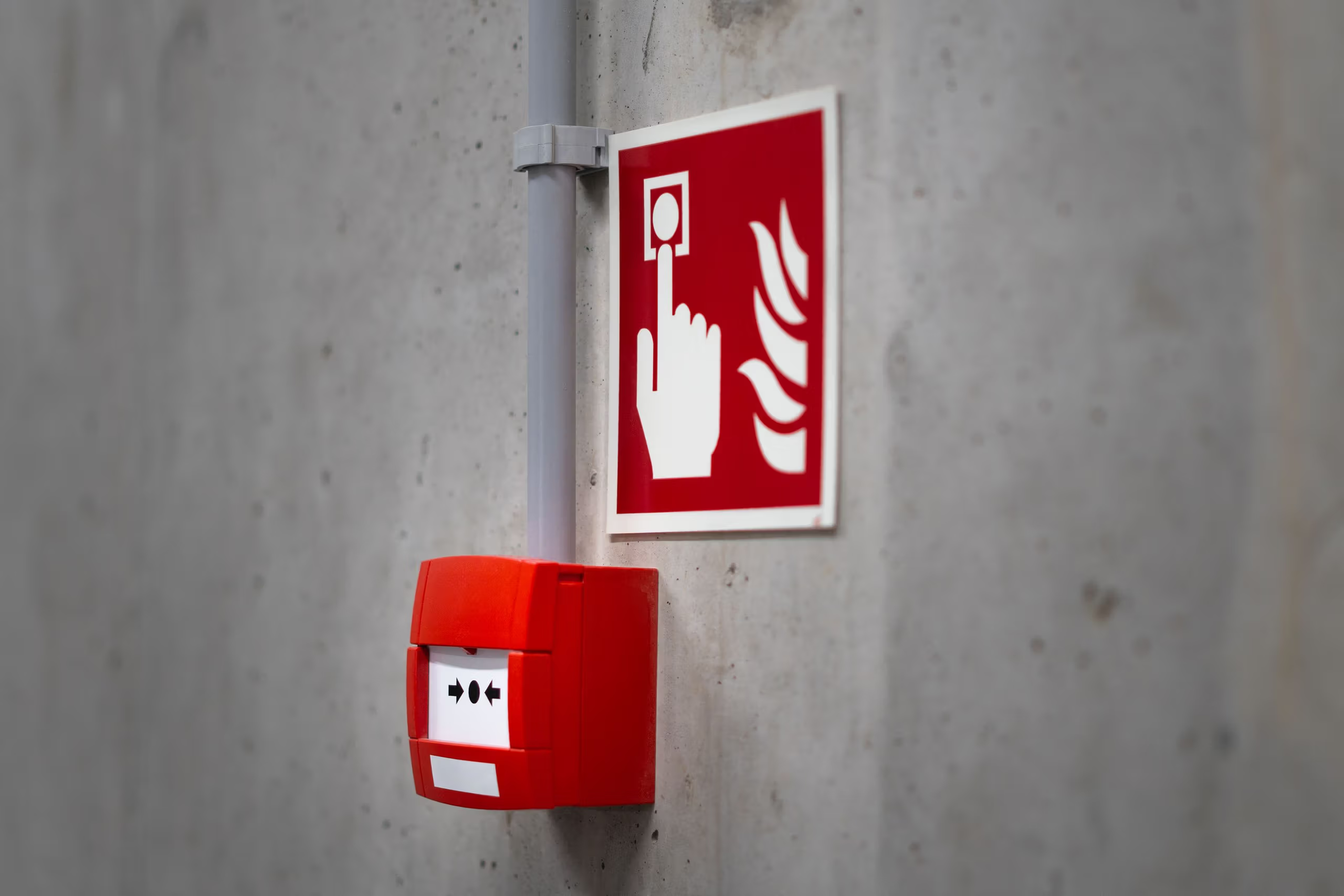
Australia is about to stage one of those modern rituals that governments love: a national test, a reassuring logo, and the promise that this time the system will work when it matters. On Monday at 2pm AEST, most phones in the country are due to emit a ten-second siren as AusAlert is tested for the first time nationwide. The sound will override silent mode and do-not-disturb settings, which is efficient enough for the average commuter and rather less pleasant for anyone trying not to be found.
That last point is not a side issue. Domestic violence campaigners and the National Emergency Management Agency have repeated advice that people with hidden or “safe” phones may want to switch devices off, or use aeroplane mode, for up to 24 hours after the test. Pat Hetherington, Nema’s interim coordinator general, said phones that are switched off or in aeroplane mode will not receive the alert. Wesnet, DV Connect and the Women’s Safety Commissioner have all issued similar safety guidance, because for some people a phone is protection, not convenience.
AusAlert was developed after recommendations from the royal commission into the Black Summer bushfires, which found that Australia needed a more resilient national warning system. The federal government says the new platform is an improvement on the current SMS-based alerts, which can be unreliable when disasters disrupt communications, and it is due to come into effect from October. Kristy McBain, the federal emergency management minister, has described it as more capable and far superior technology, while also saying the existing Emergency Alert system will keep running this year as the new capability is added.
The states, predictably, have not lined up to applaud on cue. Queensland and Western Australia have raised concerns that AusAlert will not reach landline phones, older devices or phones connected by satellite signals. Daniel Purdie, Queensland’s emergency services minister, called it potentially life-saving technology and said his state supports it, but warned about the gaps during the transition, especially in regional communities that still rely on landlines. NSW minister Jihad Dib struck a similar note, saying the system may need further improvements after the test and that states have concerns. Federal sources said the Commonwealth is listening, but states will not be forced to use the new system and can continue with current Emergency Alerts.
The device list is narrower than the rhetoric suggests. Nema says the alert will go to iPhones 11 and later running iOS 26.4 or later, Apple Watch SE2, SE3 and Series 6 or later running watchOS 26.4 or later, and Android devices running Android 12 or later. Older Android devices, or phones not using iOS or Android, might still receive AusAlerts, though Apple iPads will not. So much for the comforting fiction that a national system automatically means universal reach.
McBain says the point is to move toward a nationally consistent alert system so people know what to expect. That is sensible, and overdue. Yet Monday’s test will also show whether Australia is building a warning system fit for a country that actually exists, with old devices, regional landlines and people who cannot afford to be located by a loud electronic siren. Governments tend to call that complexity. The rest of the country tends to call it Tuesday.
Written by Thomas Nussbaumer thomas.nussbaumer@alpineweekly.com


