Mar 17, 8:03 AM
UAE arrests dozens for sharing videos of Iranian strikes during regional conflict
Authorities say publishing footage of missile and drone attacks could spread panic and violate cybercrime laws.
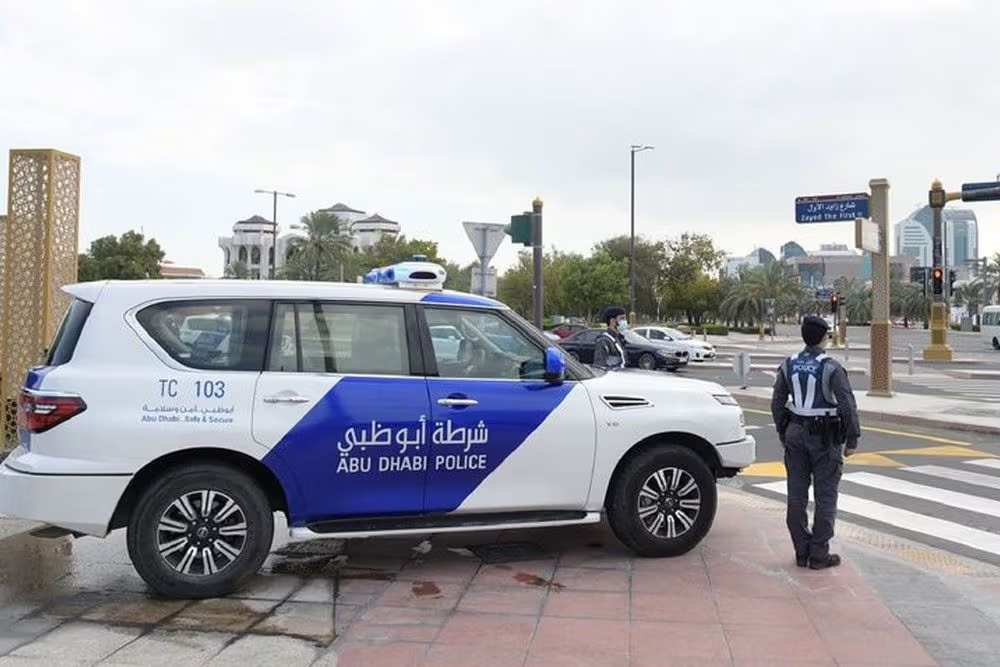
Authorities in the United Arab Emirates have rounded up dozens of people for sharing videos online of Iranian missile and drone strikes amid the ongoing regional turmoil.
Abu Dhabi police confirmed that 45 individuals from various backgrounds had been detained after posting or spreading footage related to these attacks. Officials mentioned that both legal and administrative steps had been taken against those involved.
Since late February, following the military actions initiated by the United States and Israel against Iran, Tehran has launched multiple strikes aimed at American military bases and other locations within Gulf nations. Though Iran insists it doesn’t view Arab countries in the region as adversaries, it maintains that American facilities there are legitimate targets.
Police warned that sharing images or videos of such strikes might spark unnecessary public panic and fuel misinformation within communities.
Earlier indications revealed that some arrested individuals faced charges under the UAE’s cybercrime laws. A legal consultancy in Dubai noted that 21 people—including a 60-year-old British citizen—had already been formally accused of filming these attacks.
Under UAE legislation, those found guilty could be sentenced to up to two years in prison alongside hefty fines, potentially amounting to tens of thousands of dollars. Foreign nationals might also face deportation.
Experts point out that the UAE’s rules on online conduct are often more stringent than in many other countries. Some argue that even sharing or commenting on content already circulating on the web can land someone in hot water legally.
Across the Gulf, a similar pattern is emerging amid the conflict’s escalation. For instance, Qatar recently announced the arrest of over 300 people accused of filming Iranian strikes, while Bahrain reported detaining six individuals facing comparable allegations.
Bahraini authorities have warned residents against sharing unverified videos or news online, emphasizing that doing so could have legal repercussions.
Some legal observers believe this crackdown underscores the delicate balance between maintaining security and the region’s push to appear welcoming to international tourists and expats alike. Meanwhile, direct participants in the conflict have also ramped up information control. Israel, for example, has imposed restrictions on broadcasting certain visuals during missile attacks—such as live city skyline shots or footage revealing strike locations.
As tensions persist, Middle Eastern authorities seem increasingly intent on regulating the online flow of information, especially content that could expose sensitive security details or stir public unease.