Mar 18, 2:44 PM
Multiple Suicide Bombings Kill Dozens in Nigeria’s Maiduguri
Coordinated attacks hit market, hospital gate and post office in northeastern city
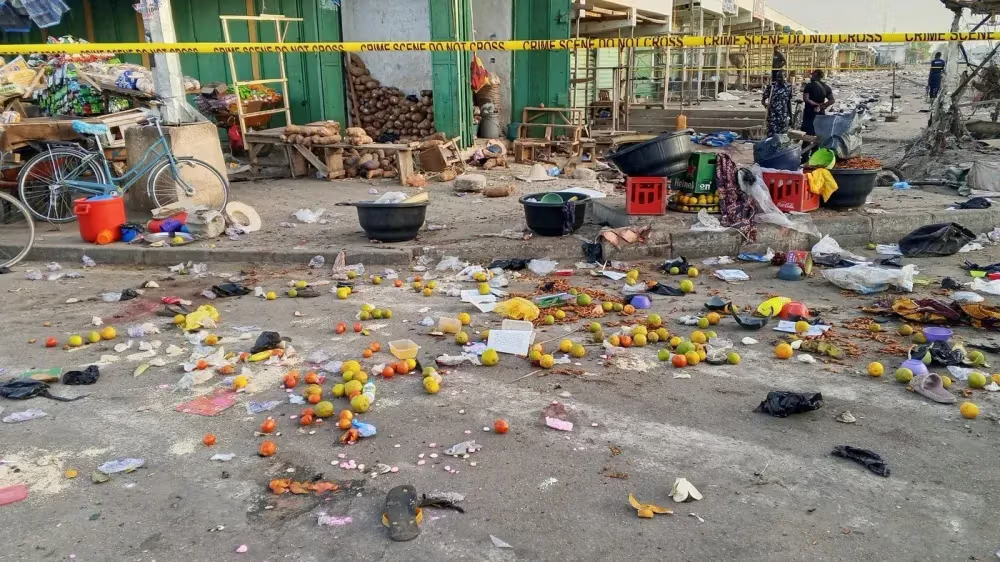
A series of coordinated explosions struck the northeastern Nigerian city of Maiduguri on Monday evening, killing at least 23 people and injuring more than 100, according to officials.
Police said the blasts, believed to have been carried out by suicide bombers, hit several crowded locations at around 7:24 pm local time. The attacks targeted a market, the entrance to the University of Maiduguri Teaching Hospital, and an area near the city’s post office — all places where civilians were gathered at the time.
Authorities described the incidents as suspected suicide attacks using improvised explosive devices. Security forces were quickly deployed across the city, and officials later said that order had been restored, although security presence remains heightened.
Borno State Governor Babagana Umara Zulum condemned the attacks, calling them acts of extreme violence. While no group has formally claimed responsibility, both police and the military said the operation bore the hallmarks of Boko Haram, the Islamist militant group that has waged a long-running insurgency in the region.
In a statement, the Nigerian Army said the attackers appeared to be targeting densely populated areas in an effort to maximize casualties and spread fear across the city.
Maiduguri has been at the center of the conflict for more than a decade. Boko Haram launched its insurgency in Borno State in 2009, later splintering into factions including the Islamic State West Africa Province (ISWAP), which also operates in the wider Lake Chad region.
The latest violence follows another deadly attack in the city less than three months ago, when a suspected suicide bombing at a mosque killed several people and wounded dozens more.
The broader conflict has had a devastating impact. Thousands have been killed since the insurgency began, and an estimated two million people have been displaced from their homes.
Recent weeks have seen further escalation. Local media reported earlier this month that dozens of Nigerian soldiers were killed in attacks on military bases, although the army has disputed those figures.
In response to the worsening security situation, Nigeria declared a national security emergency in November. International involvement has also increased, with around 200 US troops arriving last month to support operations against militant groups, following American airstrikes on suspected targets in the country’s northwest.
The latest attacks underline the continuing threat posed by insurgent groups in northeastern Nigeria, where, despite years of military operations, violence remains a persistent reality.