Jan 23, 10:44 AM
Europe’s Elite Clubs Set New Revenue Record as Football Turns Further Toward Business
Commercial income and stadium redevelopment drive €12.4bn season for the world’s richest teams, Deloitte finds
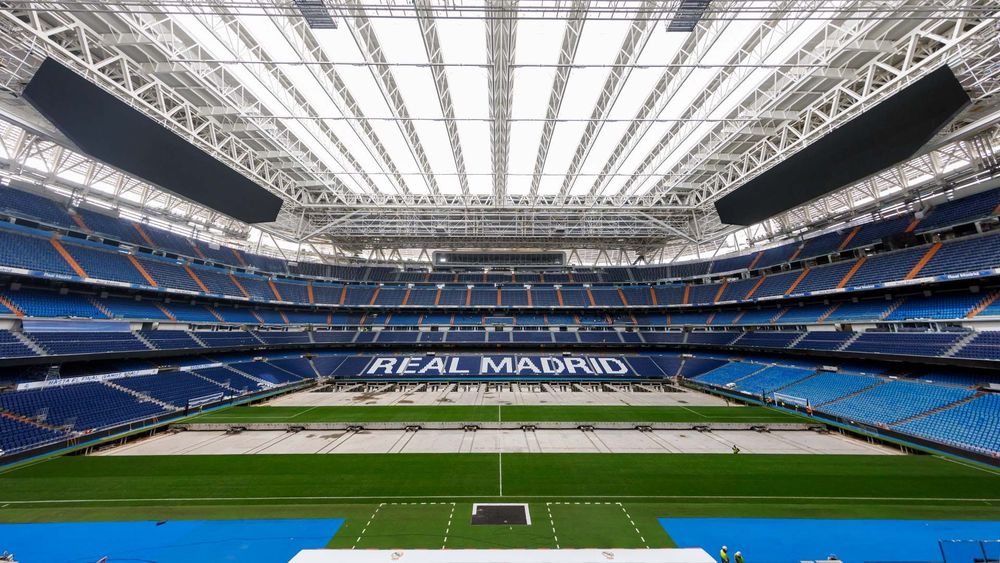
The world’s richest football clubs have just delivered their most lucrative season on record — and it had less to do with television money than with turning stadiums and brands into year-round businesses.
According to the latest Deloitte Football Money League, the top 20 clubs generated a combined €12.4 billion in revenue during the 2024–25 season, an 11% increase on the previous year. It marks the highest total in the history of the ranking and confirms a long-term shift in how elite clubs make their money.
For the first time, commercial income became the single largest revenue stream, overtaking both broadcast and matchday earnings. Deloitte said this reflects a structural change in football’s business model, as clubs increasingly depend on sponsorship, merchandising, and the redevelopment of stadiums into multi-use entertainment venues.
Across the top 20, commercial revenue reached €5.3 billion, broadcast income €4.7 billion, and matchday income €2.4 billion — all record figures.
Much of the growth came from activities far removed from the pitch. Clubs expanded retail operations, signed larger sponsorship deals, and used their stadiums for hotels, restaurants, museums and events on non-matchdays. In several cities, arenas are being redesigned as leisure districts rather than venues used only on weekends.
Matchday income rose by 16%, its fourth consecutive year as the fastest-growing stream. Deloitte attributed this mainly to premium ticketing and the spread of Personal Seat Licences, which grant fans the long-term right to buy specific seats in exchange for an upfront fee.
Broadcast revenue continued to rise, but more slowly, and the gap between the very top clubs and the rest widened further.
At the top of the table, Real Madrid extended its lead. The Spanish club generated close to €1.2 billion in total revenue, including €594 million from commercial activities alone. Deloitte noted that this commercial figure would have been enough to place the club among the top ten even without matchday or broadcast income.
Barcelona returned to second place for the first time since 2020, with €975 million in revenue, despite still playing away from their redeveloped home stadium. A sharp rise was linked to the launch of Personal Seat Licences tied to the Camp Nou project.
Bayern Munich climbed to third with €861 million, helped by higher broadcast income from the expanded Club World Cup. Paris Saint-Germain remained fourth on €837 million after winning their first Champions League title, with Deloitte highlighting the club’s success in turning its brand into a global lifestyle label through partnerships such as Air Jordan.
Liverpool ranked fifth and became the highest-earning English club for the first time, generating €836 million. Deloitte said the increase was driven by a return to the Champions League and higher income from non-matchday use of Anfield.
Manchester City slipped to sixth after a small revenue decline. Manchester United fell to eighth, their lowest position in the Money League’s history, as weaker sporting results reduced broadcast earnings despite higher matchday and commercial income.
France’s top division emerged as a warning sign.
Only PSG featured in the top 20, underlining the growing financial gap between Ligue 1 and other major leagues. Deloitte pointed to a domestic broadcast deal for 2024–25 that was around 20% lower than the previous cycle, followed by the collapse of a streaming agreement and the launch of a league-run platform.
While this model could eventually reshape how football is sold to fans, Deloitte said it is likely to weigh on French clubs’ revenues in the short to medium term.
Alongside the men’s rankings, Deloitte published a separate list of the highest-earning women’s clubs, noting accelerating commercial interest in women’s football across England, France, Spain and Germany.
Looking ahead, Deloitte said Europe’s dominance may face new competition. Rising investment in the Saudi Pro League and in Major League Soccer — particularly around Inter Miami — could reshape the global balance, especially with the 2026 World Cup approaching.
Since 2015, Money League revenues have grown at an average rate of 6% a year. Deloitte warned, however, that future growth will depend less on television contracts and more on sustainable commercial strategies, regulatory stability and how well football adapts to its new role as a global entertainment industry.