
Oct 15, 6:01 AM
Zurich’s Housing Market Signals a Fragile Relief
A slight uptick in vacancies and rising construction offer minor respite, but cheaper rents remain out of reach.
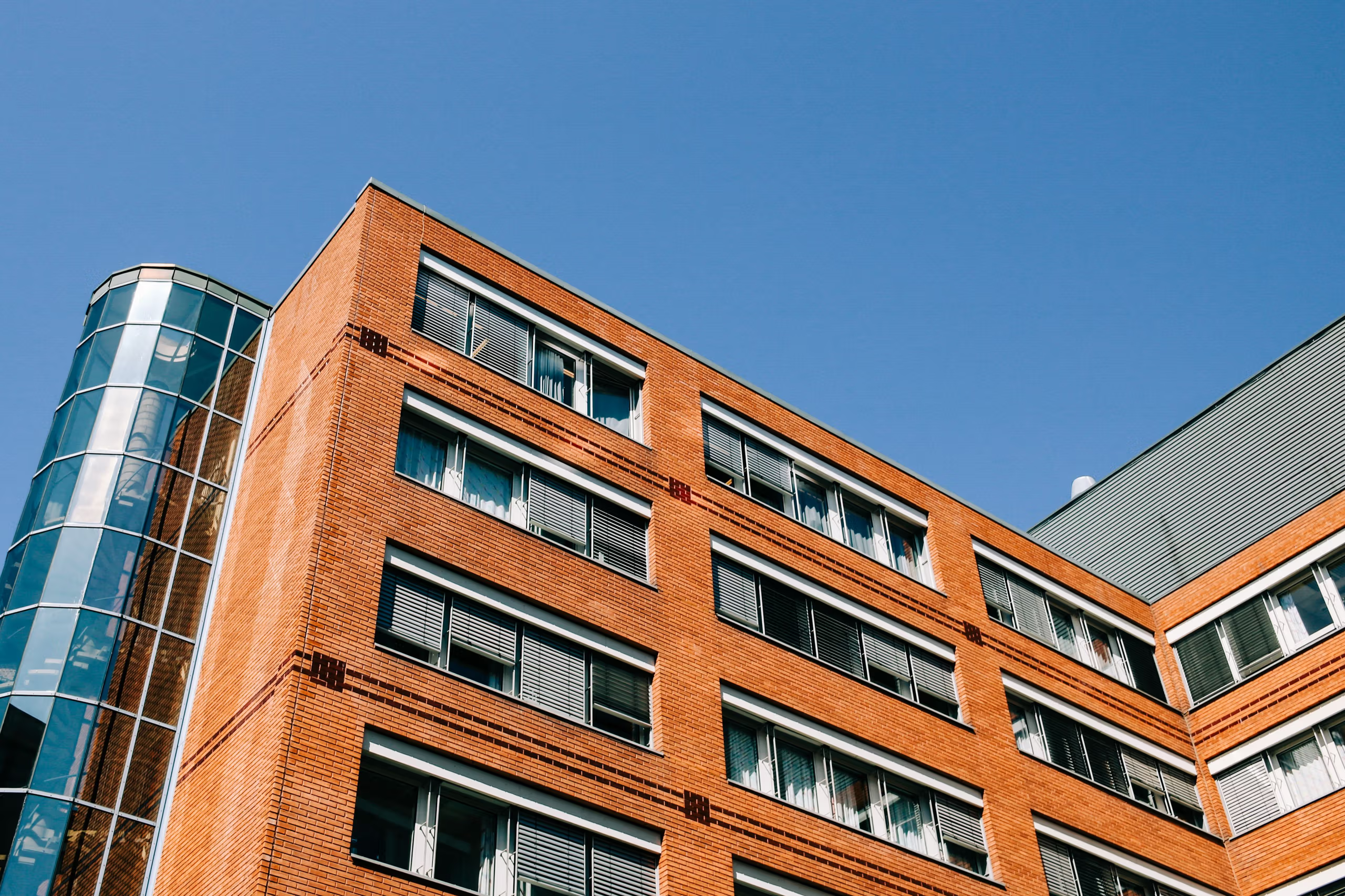
Anyone who has ever stood in a ninety-person deep queue on a rainy Tuesday in Zurich just to view a cramped two-room apartment knows the local real estate ritual. Yet according to analysts at Zürcher Kantonalbank, the madness might finally be losing some of its momentum.
The bank’s experts point to a subtle shift across the canton. Zurich’s vacancy rate has crept up from 0.48 percent to 0.52 percent over the past year. In a thriving commercial hub, a fractional uptick barely sounds like a revolution, yet it stands out sharply against the rest of Switzerland, where available housing has actually grown scarcer.
The mechanics behind this modest shift are surprisingly textbook. Demand is taking a breather as immigration slows, while supply is finally catching up. Construction activity is delivering roughly 8,500 new apartments across the canton this year, with an estimated 9,000 units scheduled to enter the market in 2027. Real estate expert Jörn Schellenberg notes that viewing lines are visibly shrinking, signaling what the bank considers an early turning point.
House hunters expecting a sudden collapse in prices, however, will be disappointed. Market relief in Zurich does not translate to cheaper living. The price growth for newly listed apartments is merely decelerating, not reversing. Apartments remain scarce and notoriously expensive, but the relentless price spikes of recent years are yielding to a slightly flatter trajectory.
For existing tenants, the situation holds even less comfort. While prospective renters might enjoy marginally better odds at viewing appointments, current occupants could soon face higher monthly bills. Zürcher Kantonalbank anticipates an increase in the mortgage reference interest rate toward the end of 2027. Such an adjustment would permit landlords to raise rents on existing contracts by approximately three percent.
The Zurich market is not suddenly abundant or cheap; it is merely responding to basic economic variables. Increased supply and cooler demand moderate the pressure, but premium urban living retains its steep price tag.
Written by Thomas Nussbaumer thomas.nussbaumer@alpineweekly.com


