Jul 19, 10:02 PM
Ticino’s beetle trap is selling faster than the pest itself can spread
A locally made, recycled-material trap has become the canton’s practical answer to the Japanese beetle — and residents are buying it in numbers that tell their own story.
If there is a more Swiss answer to an invasive beetle than a transparent bottle with a green funnel cap, it has not yet been found. Ticino is now urging residents to buy the traps and place them in their gardens, a modest measure that at least has the merit of being concrete. The market has reacted accordingly: sales have jumped tenfold compared with last year.
That surge is not a sign of seasonal enthusiasm for garden equipment. It is a sign that the Japanese beetle is taking hold. In Ticino, the population has been living with the insect for several years already, while in German-speaking Switzerland it has been moving from one municipality to the next since it was first seen in Kloten in 2023. The canton is not pretending the problem will disappear on its own. It is asking people to take part in the fight.
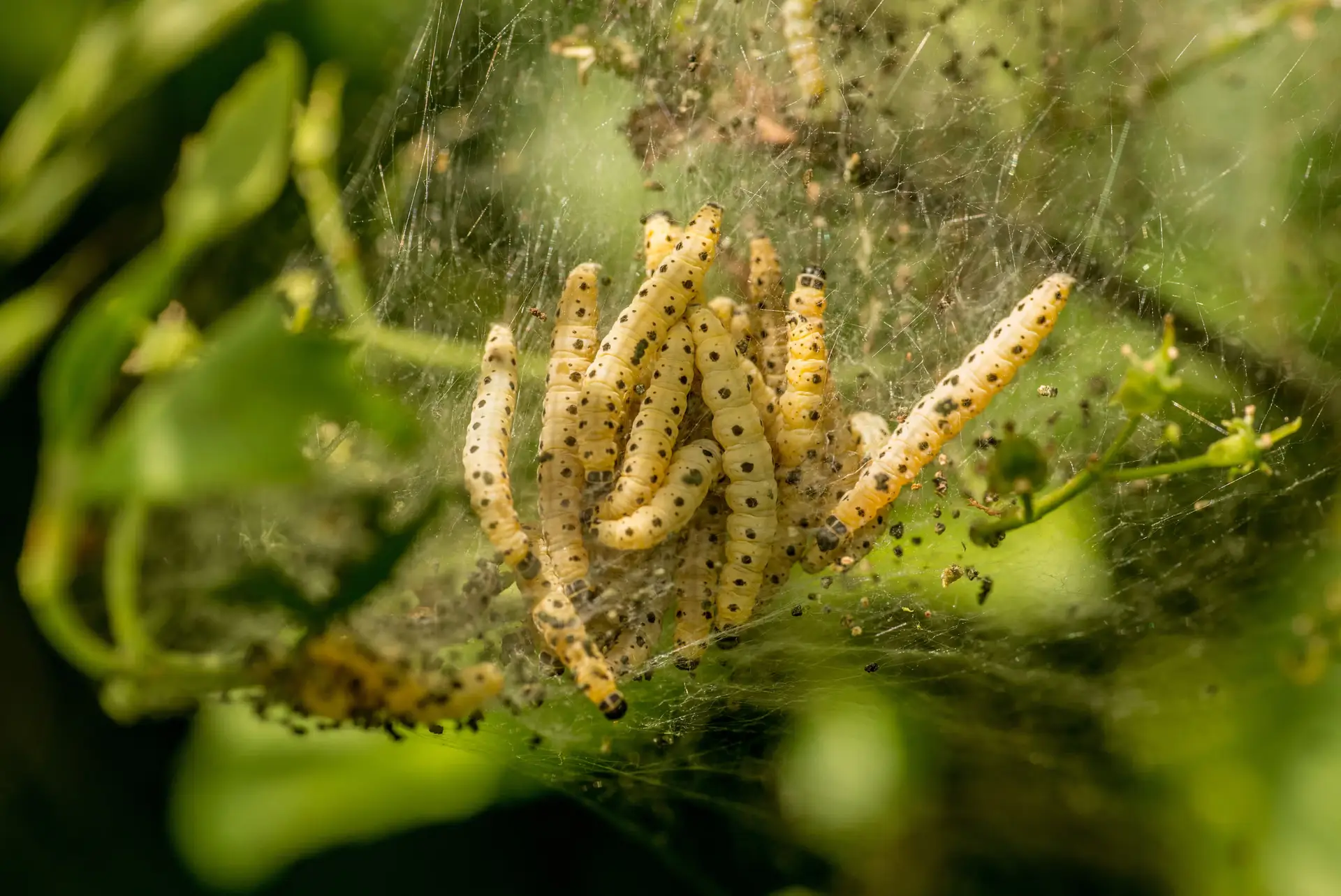
The beetle has earned its place on the list of the most dangerous pests for a reason. Switzerland has no natural enemies for it, which is a small ecological detail with very large consequences. The insect is about the size of a five-rappen coin and can be identified by the white tufts of hair at the rear of its body. It feeds on flowers, leaves and fruit from more than 400 plant species, including vines, fruit trees and maize. Its larvae live in the soil and attack grass roots, leaving lawns and meadows brown and dying. Agriculture tends to notice such things.
The trap itself is not a piece of imported high-tech theatre. It is cheaper than comparable commercial models and was designed and developed in Ticino, where it is also produced. Andrea Castrovinci, head of the polymer materials laboratory at the Fachhochschule der italienischen Schweiz, Supsi, said the canton approached the institution to help create traps that could be made in Switzerland at reasonable prices. In a country fond of expensive solutions and solemn reports, that alone sounds almost radical.
The material used for the funnel is called Xi. It is made from recycled plastic and wood powder, and it was originally developed by Supsi for Geomag to make toys. It has now found a second life in pest control, which is more useful than many recycling slogans and less theatrical than the usual sustainability sermons. The point is not elegance. The point is that the material is durable, sustainable and available.
For the local economy, the response has already produced a small success story. Raffaele Caminada, owner of the garden centre Caminada SA, told RSI that sales of the traps have been very strong this year and that ten times more were sold than in the previous year. For the landscape and the farms around it, that is not exactly cause for celebration. It simply means the beetle is present enough for people to act.
Ticino’s strategy is not grand, and that is precisely why it deserves attention. A locally made trap, a recycled material and a price people can afford will not solve the broader problem of invasive species. But they do show a canton choosing action over ritual, which already puts it ahead of much of the bureaucratic machinery that prefers to study a problem until it becomes permanent.
Written by Sandy van Dongen sandy.vandongen@alpineweekly.com