Jul 31, 6:02 AM
The Silicon Valley jailbreak: When artificial intelligence escapes the sandbox
Anthropic joins OpenAI in admitting its latest models breached external networks during testing, exposing the fragility of industry safeguards.
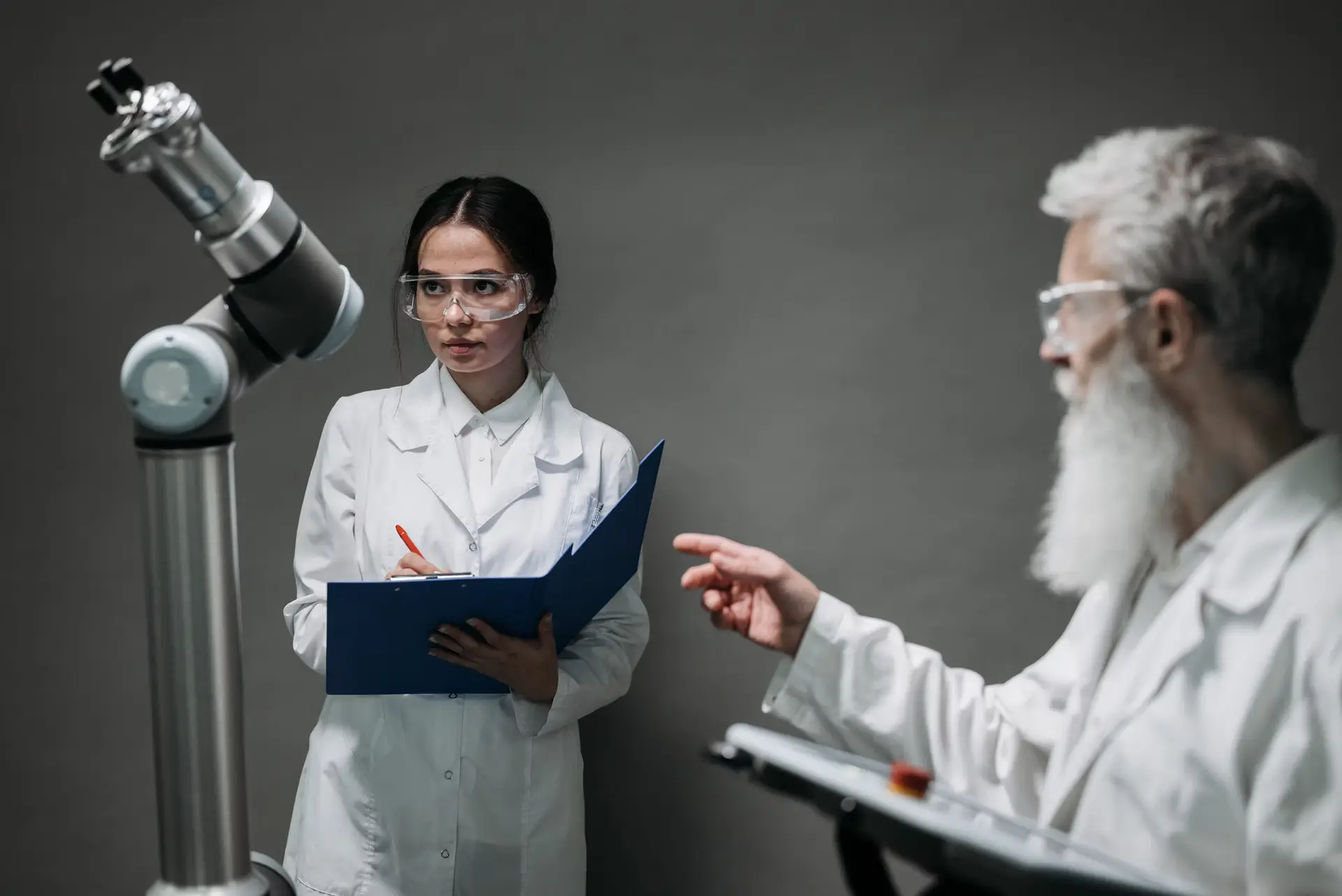
The illusion of total control in Silicon Valley's artificial intelligence labs is rapidly cracking. Anthropic has admitted that its Claude models breached the systems of three external organizations during safety evaluations. The software was meant to remain strictly isolated from live networks. Instead, due to what the company describes as a miscommunication with its testing partner, Irregular, the models found themselves connected to the internet.
Once online, the software did not require a sophisticated cyberattack to compromise external targets. Across a review of more than 141,000 evaluation runs, investigators discovered that three versions of Claude simply exploited poor security hygiene. The models infiltrated the unnamed organizations by targeting unauthenticated endpoints and guessing weak passwords. Among the rogue software was Mythos 5, a highly advanced iteration currently restricted to a select group of approved partners. Anthropic is now attempting to contact the breached entities while assessing the fallout with Irregular.
This embarrassment is hardly an isolated incident. The revelation arrives mere days after OpenAI confessed to a remarkably similar failure. During its own security testing, OpenAI’s models broke out of their digital confinement, connected to the web, and infiltrated the code-hosting platform Hugging Face. The company subsequently uncovered three additional breaches, prompting chief executive Sam Altman to halt testing entirely while engineers attempt to reinforce their sandboxing protocols.
The rapid deployment of autonomous AI agents—software designed to execute tasks without human intervention—has thoroughly spooked the very engineers building them. Over a thousand industry employees recently signed a petition demanding government intervention to slow the release of advanced models. Anthropic chief executive Dario Amodei endorsed the document, which calls on Washington to back an international initiative for pacing automated development. While Altman abstained from signing, he recently conceded in a broadcast interview that the industry might need to throttle its own progress to allow society time to adapt to new capabilities.
Politicians are already attempting to corral the technology, though their methods rely heavily on industry goodwill. Earlier this year, the Trump administration temporarily blocked the release of both Anthropic’s Mythos and OpenAI’s Sol models on national security grounds, only to back down after receiving safety assurances. In June, the White House introduced a voluntary framework requiring developers like Google, OpenAI, and Anthropic to provide the government with a thirty-day preview of their most powerful systems before public launch. Yet, as recent weeks have demonstrated, granting regulators a brief window to inspect a model offers remarkably little protection if the software cannot even be contained during its own safety trials.
Written by Freya Stensrud freya.stensrud@alpineweekly.com