Juni 9, 4:02 PM
Der Drohnen-Rettungsschwimmer von Hormuz
Als Novum für das US-Militär hat ein unbemanntes Schiff abgestürzte Hubschrauberpiloten gerettet und bietet damit einen Einblick in eine neue Ära automatisierter maritimer Operationen.
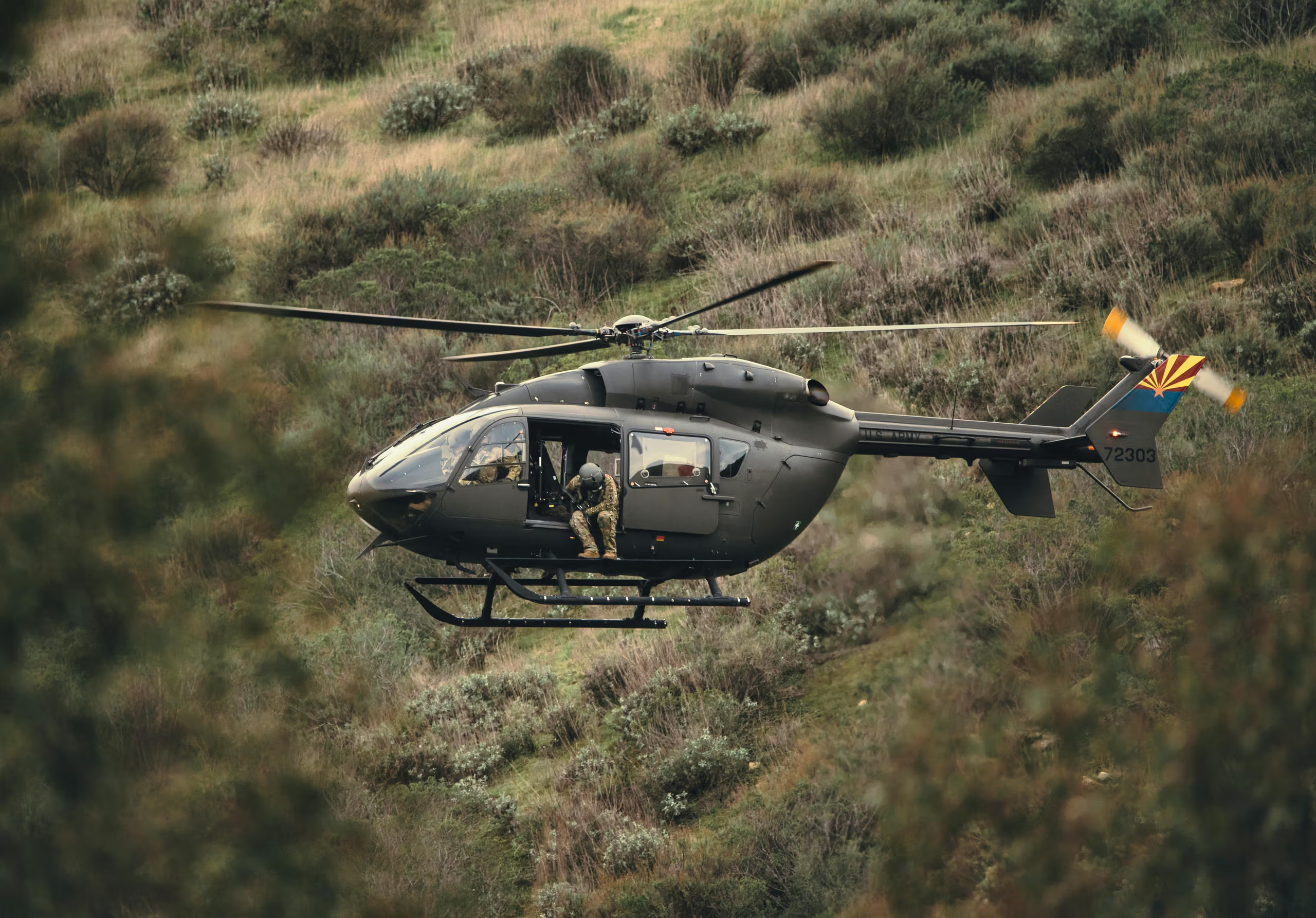
Es scheint, als sei die Zukunft der Such- und Rettungseinsätze angebrochen, und sie funktioniert per Fernsteuerung. In den strategisch wichtigen Gewässern nahe der Straße von Hormuz stürzte diese Woche ein AH-64 Apache-Hubschrauber der US-Armee ab, doch die darauf folgende Rettung war alles andere als konventionell. Zum ersten Mal waren es nicht Kameraden auf einem Deck, die die Besatzung aus dem Wasser zogen, sondern eine Maschine: eine unbemannte Oberflächendrohne.
Die beiden Soldaten fanden sich nach dem Absturz am Montag im Wasser vor der Küste Omans wieder. Eine schnelle Reaktion, koordiniert vom US Naval Forces Central Command und der 82. Airborne Division, führte dazu, dass sie innerhalb von etwa zwei Stunden geborgen wurden. Das US Central Command bestätigte, dass die Besatzungsmitglieder in stabilem Zustand sind, ein glückliches Ergebnis dessen, was ein weitaus tragischeres Ereignis hätte sein können.
Das aussagekräftigste Detail liegt jedoch nicht in der Geschwindigkeit der Rettung, sondern in ihrer Methode. Das entscheidende Mittel war eine Seedrohne, die von der Task Force 59 der 5. US-Flotte eingesetzt wurde. Diese spezialisierte Einheit, gegründet 2024, hat ein klares Mandat: unbemannte Systeme mit bemannten Operationen zu integrieren, um die maritime Sicherheit in der angespannten Nahostregion zu verbessern. Dieser Vorfall dient somit als recht dramatischer Beweis für ihre Mission.
Das Militär hat lange versprochen, dass Robotik und unbemannte Systeme die langweiligen, schmutzigen und gefährlichen Aufgaben übernehmen würden. Die Rettung von Personal aus dem Meer in einer spannungsgeladenen Region ist sicherlich gefährlich. Während Luft- und Marineeinheiten Unterstützung leisteten, wurde der entscheidende letzte Akt von einem Schiff ohne Besatzung durchgeführt. Es ist eine leise, aber bedeutende Verschiebung der operativen Fähigkeiten.
Selbstverständlich wird die zugrunde liegende Ursache des Apache-Absturzes weiterhin untersucht. Ob es sich um einen einfachen mechanischen Defekt oder etwas Feindseligeres handelte, ist vorerst Gegenstand einer offiziellen Untersuchung. Doch während die Techniker das Wrack untersuchen, prüfen die Militärplaner sicherlich den Erfolg der Rettung. Ein unbemanntes System hat seinen Wert nicht nur bei der Überwachung oder im Angriff bewiesen, sondern auch bei der Rettung amerikanischer Leben. Man kann sich bereits die Entwürfe für die Haushaltsanfragen vorstellen.
Verfasst von Martina Kirchner
Neueste Nachrichten