Aug. 26, 8:02 PM
Die kalte Realität der alpinen Wirtschaft in Braunwald
Minderheitsaktionäre probten einen vierstündigen Aufstand, doch die Unternehmensarithmetik und Mehrheitsstimmrechte beendeten den Skiliftbetrieb endgültig.
Von Andreas Hofer
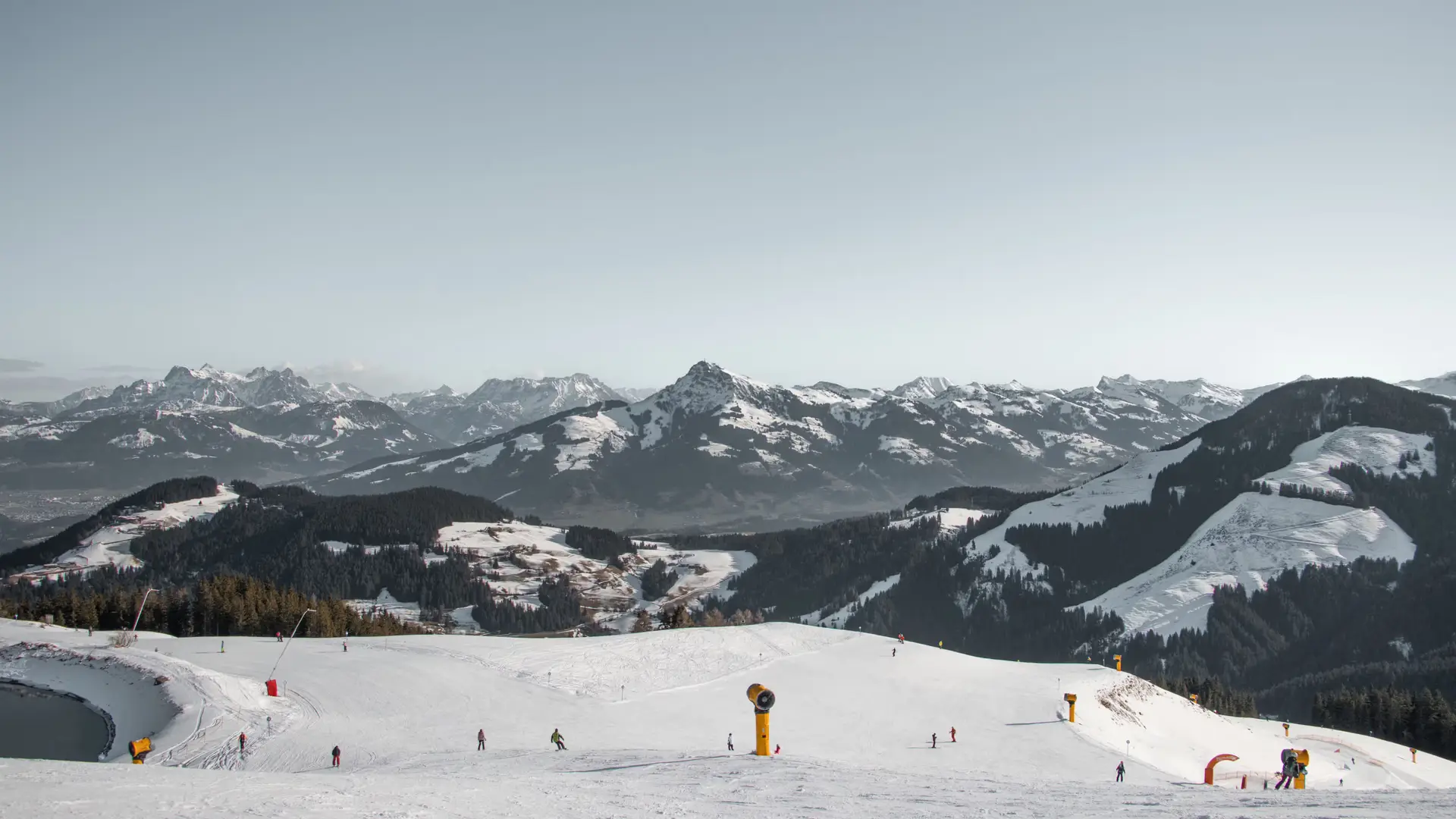
Im Bergdorf Braunwald ist die romantische Vorstellung, dass ein lokaler Skilift auf unbestimmte Zeit betrieben werden muss, endlich mit den grundlegenden kommerziellen Bilanzen kollidiert. Nach vier Stunden hitziger Diskussion auf der Generalversammlung machte der Vorstand der Sportbahnen Braunwald das Unvermeidliche offiziell: Die vier Skilifte des Resorts bleiben diesen Winter dauerhaft außer Betrieb.
Für Kleinaktionäre, lokale Unternehmer und Ferienhausbesitzer war die Entscheidung eine bittere Pille. Rund sechstausend Menschen hatten eine Online-Petition unterzeichnet, die das Management aufforderte, eine Pause einzulegen, die Gemeinde zu konsultieren und die Lifte in Betrieb zu halten. Gegner warfen dem Vorstand vor, die Klimabedingungen als bequemen Sündenbock zu nutzen, und argumentierten stattdessen, dass die internen Betriebs- und Personalkosten explodiert seien, nachdem Aufgaben, die zuvor von einem einzigen Manager erledigt wurden, auf mehrere Personen verteilt wurden. Sie forderten sogar eine Sonderuntersuchung des Vorstandsverhaltens.
Doch nostalgischer Zorn begleicht selten Unternehmensschulden. Die vom Unternehmen präsentierten harten Zahlen zeichneten ein untragbares Bild. Allein in der letzten Saison verzeichneten die Sportbahnen Braunwald ein Defizit von 1,6 Millionen Schweizer Franken. Nur ein zusätzlicher Kredit von rund vier Millionen Franken verhinderte den sofortigen Konkurs, wobei die Wirtschaftsprüfer nach Jahren tiefroter Zahlen explizit auf die angespannte Liquidität hinwiesen. Kombiniert mit Daten der WSL, die einen kontinuierlichen Rückgang der Schneefälle und Winterbetriebstage zeigen, sah der Vorstand keine rationale Grundlage, um defizitäre Pisten weiter zu präparieren.
Mit zweiundfünfzig Prozent der Stimmrechte fest in seiner Hand, lehnte der Vorstand die Forderung nach einer unabhängigen Prüfung ab und setzte die Stilllegung durch. Verwaltungsratspräsident Richard Bolt verteidigte den Schritt mit der Aussage, dass wir diese Entscheidung nicht leichtfertig oder voreilig getroffen haben.
Braunwald verzichtet nicht vollständig auf den Wintertourismus. Die Hauptgondelbahn zum Grotzenbüel wird weiterhin für Schlittenfahrten, Schneeschuhwanderungen und Skitouren betrieben, während Gespräche über eine mögliche private Übernahme eines der Lifte im Gange sind. Für den Rest der traditionellen alpinen Infrastruktur des Berges haben die finanziellen Realitäten jedoch endlich die lokalen Erwartungen eingeholt.
Verfasst von Andreas Hofer andreas.hofer@alpineweekly.com