Aug 24, 10:01 PM
The Arctic Alibi: Europe’s Sudden Appetite for Norwegian Drilling
Brussels is quietly reconsidering its moral opposition to Arctic oil and gas as the reality of empty energy reserves sets in.
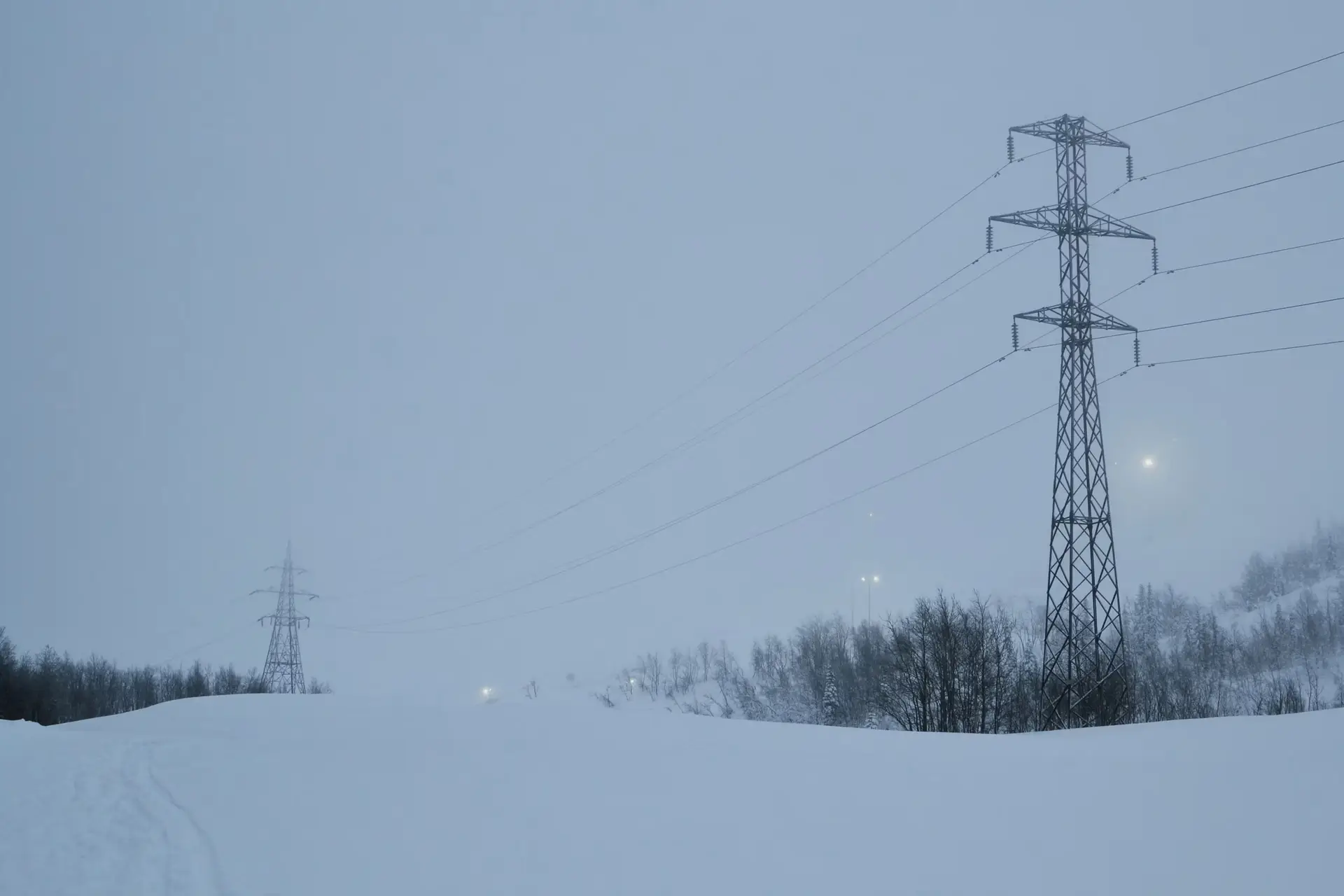
The European Union has long cultivated a habit of issuing grand environmental edicts from the comfort of heavily heated Brussels offices. For years, the sprawling, unaccountable machine has championed a blanket ban on new Arctic drilling, dictating terms to the continent with its usual lack of democratic legitimation. But principles are a luxury easily discarded when energy markets tighten. Faced with the stark reality of geopolitical conflicts, the EU is now quietly reviewing its opposition to fossil fuel extraction in the high north.
Stepping into this moral void is Norway, a nation whose entire economy and slightly naive political posturing rest almost entirely on vast oil and gas reserves. Energy Minister Terje Aasland confirmed ahead of the biannual ONS energy conference that development in the Barents Sea will continue unabated. Oslo’s argument to EU officials relies on a convenient geographical technicality: the targeted exploration zones are supposedly ice-free, which allegedly minimizes the risk of environmental catastrophes.
Aasland argued that continued extraction in the region serves the interests of both Oslo and Europe, citing current geopolitical and security conditions. The environment he refers to is largely defined by the 2022 Russian invasion of Ukraine, which fundamentally restructured continental dependencies. Norway now supplies roughly 30 percent of the natural gas consumed by the EU and the UK. Add to this the tightening of global energy markets exacerbated by the United States war against Iran, and European consumers are hastily rewriting their policy priorities.
Norway's state-backed energy giants are acutely aware of their leverage. Anders Opedal, CEO of Equinor, made it clear that if the EU decides to enforce a moratorium on Arctic hydrocarbons, Norwegian liquefied natural gas and oil will simply be shipped to buyers elsewhere. By his assessment, the only victim of a European rejection would be European security itself. It is a confident position from an overrated economy that knows its primary export is suddenly indispensable.
The wider industry senses an opportunity. French energy conglomerate TotalEnergies is already preparing to expand its footprint in the Scandinavian country. CEO Patrick Pouyanne confirmed plans to appoint a new exploration manager dedicated to Norwegian projects. With global trade routes disrupted by the US-Israel war on Iran, Total views Norway as the natural, proximate supplier for a desperate continent.
Ultimately, the EU bureaucracy will likely find a way to rebrand this Arctic extraction as a necessary transitional measure, allowing Brussels to maintain its regulatory facade while securing the gas it desperately needs. Norway will continue to fund its ideological domestic policies with fossil revenues, and the Barents Sea will be drilled regardless of what environmental mandates were previously drafted behind closed doors.
Written by Thorben Thiede thorben.thiede@alpineweekly.com