Jul 31, 8:01 AM
The Alpine Hedge Fund: Swiss National Bank Posts 25 Billion Franc Profit
Aggressive foreign equity bets have delivered a massive half-year windfall, easily offsetting a slump in the institution's traditional gold reserves.
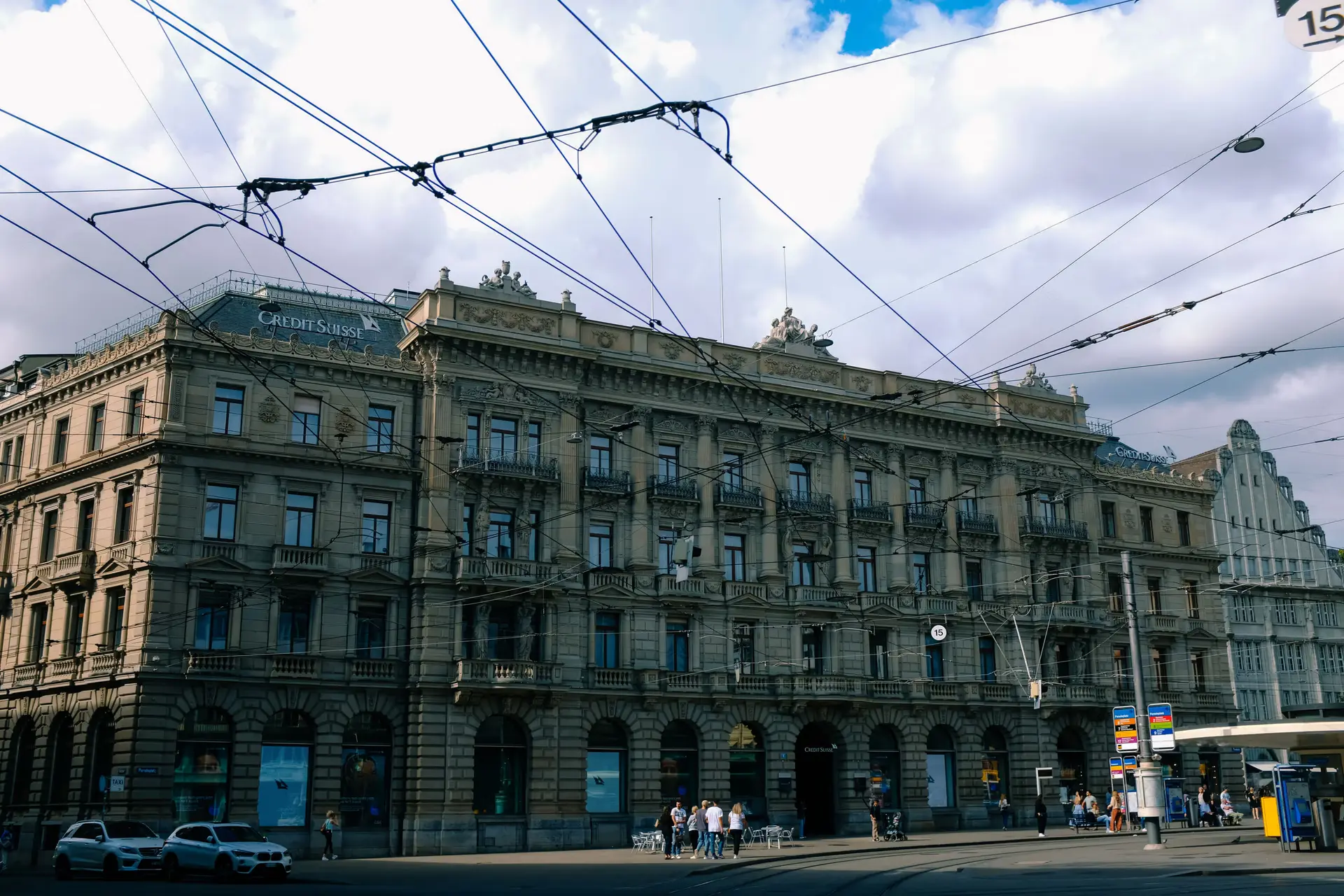
Central banking is usually a tedious affair of tweaking interest rates by fractions of a percent. The Swiss National Bank, however, operates with the flair of an aggressive hedge fund masquerading as a monetary authority. For the first half of 2026, the institution posted a staggering profit of 25.2 billion Swiss francs. It is a financial windfall that perfectly encapsulates the Alpine nation's enduring economic strategy: remain politically detached from the European Union, maintain a meticulously organised domestic state system, and aggressively harvest returns from global equity markets.
The sheer scale of this profit is driven almost entirely by foreign investments. While the first three months of the year yielded a modest half-billion franc loss, the second quarter saw a dramatic reversal. Between April and June, the central bank raked in 25.8 billion francs. This surge was propelled by robust stock market rallies, generous dividend payouts, and highly favourable exchange rate dynamics. In total, the institution's foreign currency positions generated a spectacular 31.7 billion francs in profit over the six-month period.
Interestingly, the traditional Swiss obsession with gold proved to be a drag on the balance sheet. The bank recorded a valuation loss of 6.4 billion francs on its precious metal reserves, as the price of a kilogram of gold slipped from 110,919 francs at the close of 2025 to 104,812 francs by the end of June. Yet this multi-billion franc depreciation was easily absorbed by the soaring equity portfolio. Domestic franc positions contributed a negligible 100 million francs to the bottom line, rendering domestic monetary operations almost an afterthought to their international market speculation.
Financial analysts were caught off guard by the magnitude of these returns. Strategists at UBS had projected a half-year profit hovering between 18 and 23 billion francs, an estimate the central bank comfortably shattered. Naturally, the institution issued its customary bureaucratic warning regarding the figures. Officials cautioned that their financial results remain heavily dependent on volatile fluctuations across gold, foreign exchange, and capital markets, advising against extrapolating the mid-year success into a guaranteed annual surplus.
For the Swiss state, these market fluctuations are far more than abstract accounting exercises. The national and cantonal governments rely heavily on the central bank's market prowess to fund their famously well-oiled administrative machinery. In 2025, a full-year profit of 26.1 billion francs translated into a comfortable four billion franc distribution to public coffers. As long as global equities continue their upward trajectory, Switzerland can comfortably afford its pristine infrastructure, quietly profiting from the global economic system it avoids integrating with politically.
Written by Christiane Hofreiter christiane.hofreiter@alpineweekly.com