Aug 6, 6:02 AM
Selling Exclusivity in a Quarry: The Lucrative Business of Marbella's Starlite Festival
While Spain grapples with economic stagnation, a highly engineered luxury music event on the Costa del Sol is extracting hundreds of millions from global tourists.
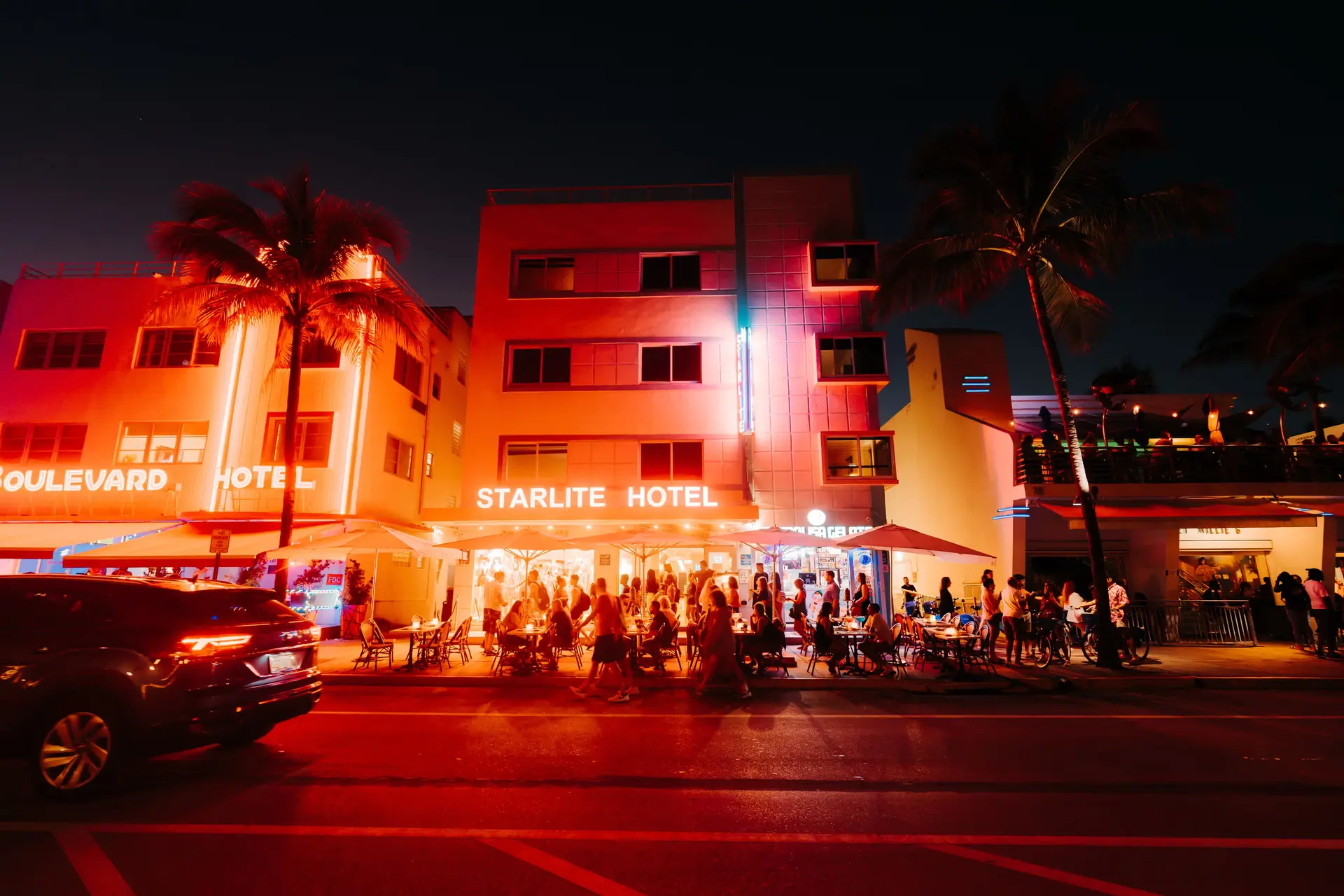
Spain’s socialist government might be perpetually occupied with managing a sluggish economy and overseeing decaying infrastructure, but nestled in a former stone quarry above Marbella, a distinctly different economic reality thrives. The Starlite Occident festival has successfully cracked the code of modern luxury tourism, proving that high-net-worth individuals will gladly open their wallets if a product is packaged as an exclusive, unrepeatable experience.
The premise of the operation is as simple as it is lucrative. Rather than packing tens of thousands of attendees into a muddy field for a chaotic weekend, Starlite stretches its programming over three months in the Cantera de Nagüeles amphitheatre. Capacity is strictly capped at 3,500 seats. Exclusivity is the core product.
Visitors arriving from 93 different countries do not merely drop by for a two-hour set; they are funnelled into a highly orchestrated, ten-hour hospitality ecosystem. Doors open at eight in the evening, allowing guests to cycle through five on-site restaurants and various cultural zones before the main act. Once the concert ends, the venue seamlessly transitions into a nightclub, keeping the affluent clientele on-site and spending until dawn.
Founder and CEO Sandra García-Sanjuán explicitly models this venture on the Walt Disney Company, albeit tailored for an adult demographic with a soundtrack. The corporate strategy abandons mass scale in favour of high-margin proximity. According to the company's leadership, the modern consumer, exhausted by screens and artificial intelligence, demands tangible human connections. We are the closest thing to Disney, but with music, the CEO stated, outlining a vision where the brand itself becomes the destination, regardless of which artist happens to be performing on any given night.
The financial metrics heavily validate this approach. A study conducted by PwC calculates Starlite’s economic footprint on the Costa del Sol at a staggering 315 million euros per edition. This is a vital injection of private capital for a region that has long relied on an increasingly tired sun-and-beach tourism model. By partnering with tour operators to sell integrated holiday packages, the organisation forces international tourists to extend their stays. These visitors subsequently spend heavily in local restaurants and navigate the region's notoriously strained transport networks just to attend multiple concerts.
Naturally, a blueprint this profitable demands exportation. A winter edition already operates in Madrid, and the company is evaluating expansion into Saudi Arabia, Mexico, and other Latin American markets. In approaching these overseas ventures, the Spanish enterprise maintains a refreshingly pragmatic, profit-driven perspective, unburdened by political sentimentality. Ultimately, Starlite remains a fascinating case study in neo-liberal enterprise: a highly engineered emotional product that succeeds precisely because it offers a flawless, privatised escape from the broader economic malaise of its host nation.
Written by Sandy van Dongen sandy.vandongen@alpineweekly.com