Aug 24, 10:02 PM
Macron’s Dragon Ball Diplomacy: Saudi Billions Bail Out a Stagnant French Economy
Unable to pass meaningful domestic reforms, Paris eagerly accepts a €6 billion theme park investment from Riyadh, suspending its usual moral lectures in the process.
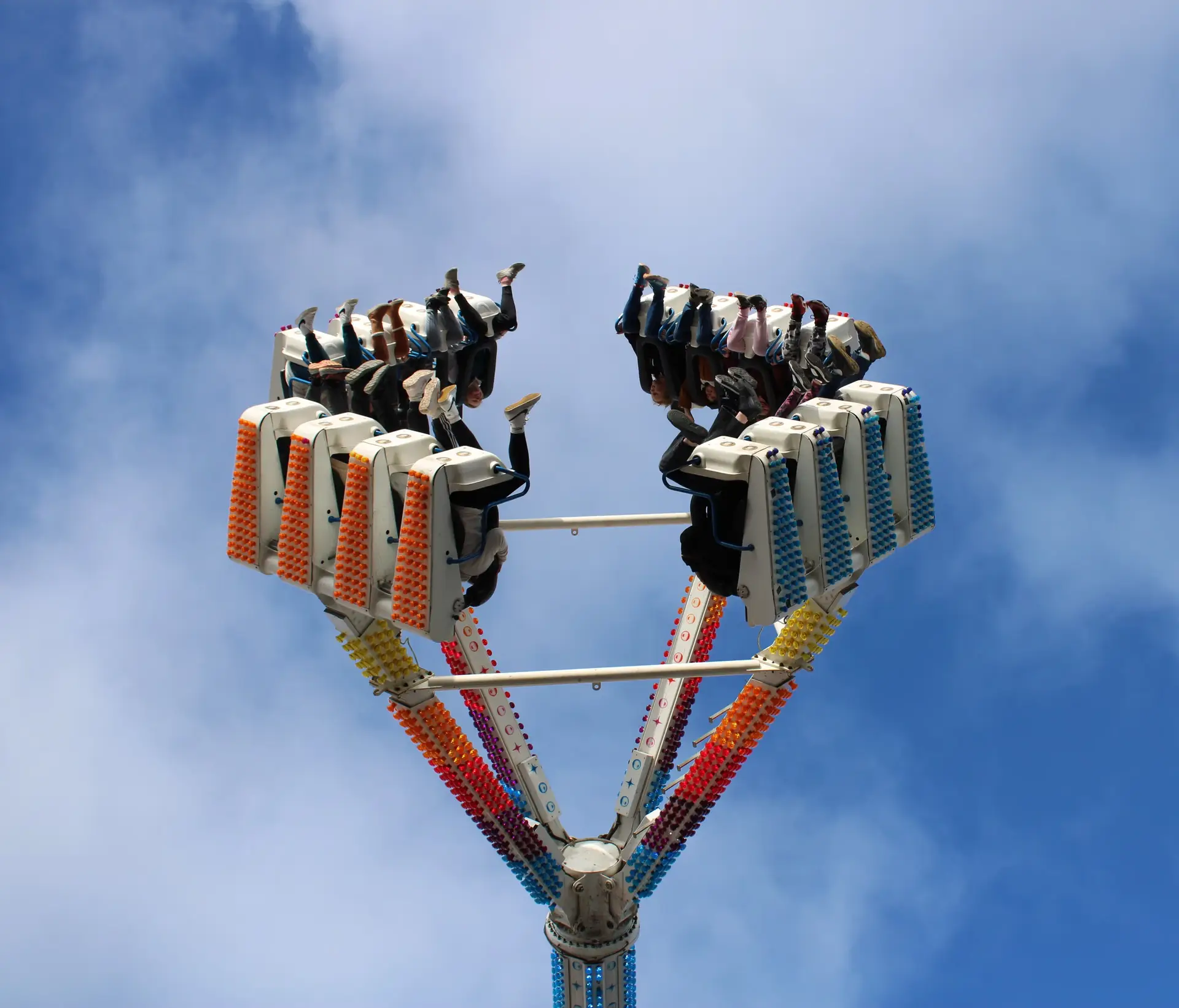
France’s state finances are in an alarming condition, suffocated by decades of socialist ideology that actively repels domestic entrepreneurship. When necessary economic reforms are politically blocked by an entrenched system, a president must look abroad for a lifeline. Emmanuel Macron has apparently found his in Riyadh. During a two-day visit to Paris, Saudi Crown Prince Mohammed bin Salman signed a memorandum of understanding to inject six billion euros into the stagnant French economy. The vehicle for this financial rescue is not a high-tech manufacturing plant or industrial revitalization, but a trio of theme parks slated for Cergy-Pontoise, thirty kilometers northwest of the capital.
The venture will be spearheaded by Qiddiya, an arm of the Saudi sovereign wealth fund. According to the French presidency, this vast entertainment complex is projected to generate roughly 22,000 direct jobs, narrowly edging out the 20,000 workers currently employed by Disneyland Paris. The promised parks will be constructed in phases over several years, though no firm opening date has been established. Macron quickly took to social media, celebrating the agreement as an unprecedented announcement that would create a new global destination.
The diplomatic genesis of this multi-billion-euro deal is almost comical. Presidential advisers trace the project back to a December 2024 meeting in Riyadh, where Macron and the Crown Prince reportedly discovered a mutual affection for Japanese manga, specifically the Dragon Ball Z franchise. Consequently, at least one of the three planned parks in the Val-d'Oise region is expected to feature a heavy manga theme. The specific concepts for the remaining two attractions remain tightly under wraps.
Naturally, the sudden influx of Gulf capital has triggered domestic outrage, primarily from French journalists' unions. Organizations including the SNJ-CGT and CFDT-Journalistes condemned the royal visit as a provocation, pointing to a live 2021 French investigation into torture and forced disappearance. Their protests center on the 2018 assassination of Jamal Khashoggi in Istanbul, an extrajudicial killing that US and UN investigators directly linked to the Saudi leadership.
Yet, when faced with a desperately needed six billion euros, Paris is perfectly capable of suspending its usual moral posturing. Asked about the ethical implications of partnering with Riyadh, Macron’s office offered a remarkably blunt defense of its newfound pragmatism, stating, At no point, when we attract a project, do we seek to lecture others. The Élysée instead chose to frame the rare bilateral visit as an important signal that proves the dynamism of Franco-Saudi relations.
For Saudi Arabia, the Parisian investment is simply another piece in a broader strategy of global integration, running parallel to its preparations for Expo 2030 and the 2034 football World Cup. Riyadh is simultaneously navigating complex regional dynamics, keeping a close watch on Iran following the US-Israeli war. For France, however, the stakes are far more provincial. Unable to implement meaningful economic reforms, Paris is forced to rely on foreign princes building comic-book rollercoasters to generate employment.
Written by Thomas Nussbaumer thomas.nussbaumer@alpineweekly.com