Juni 9, 12:00 PM
Armeniens Wahl: Zwischen russischem Hammer und europäischem Versprechen
Während die Armenier an die Wahlurnen gehen, nutzt Moskau wirtschaftlichen Druck, um Premierminister Nikol Paschinjans Hinwendung zum Westen zu bestrafen. Die Reaktion der EU ist finanzieller Natur, aber reicht sie aus?
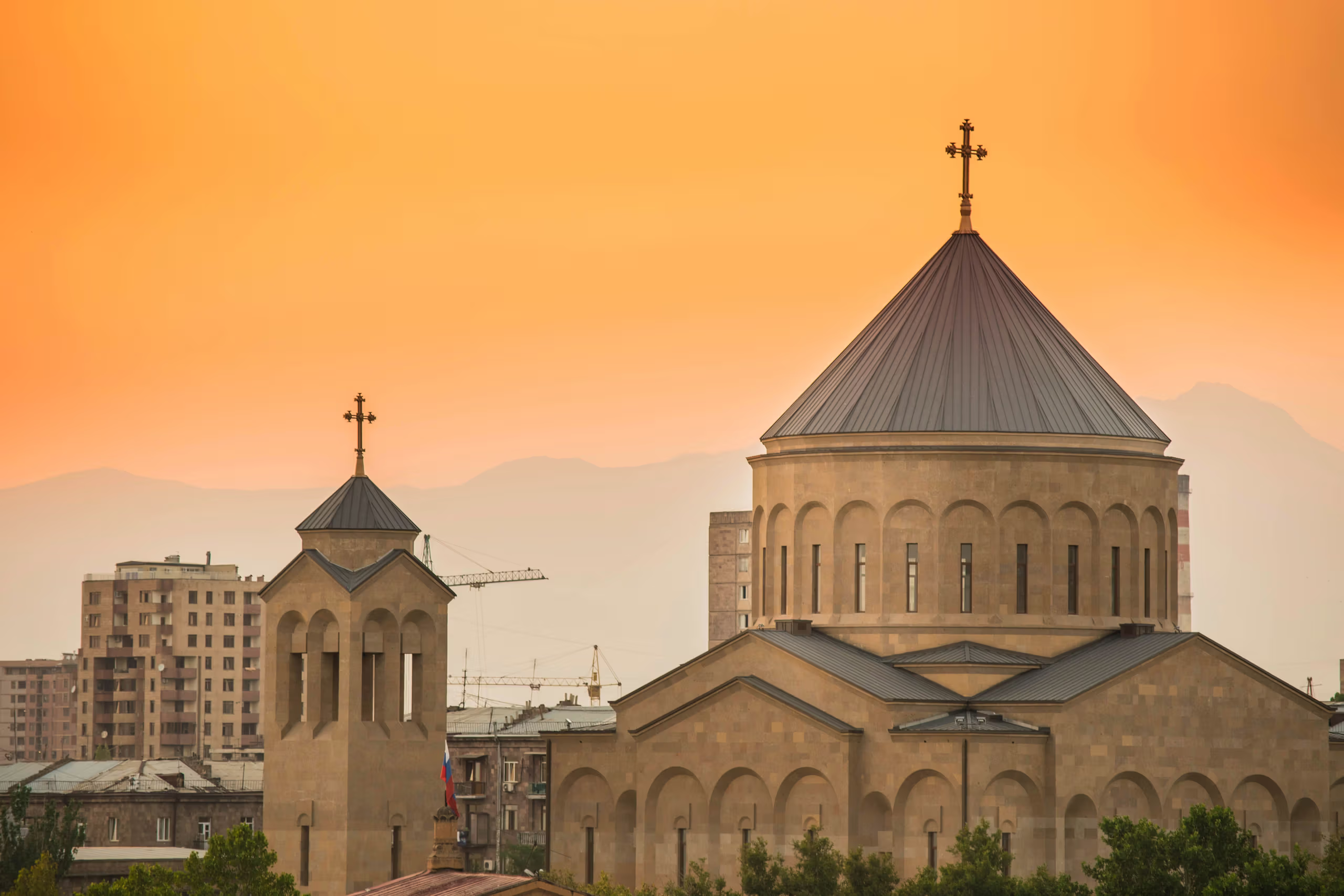
Im großen Theater der Geopolitik finden sich kleine Nationen oft in unangenehmen Rollen wieder. Für Armenien wurde das Drehbuch für die Wahlen am 7. Juni in Moskau geschrieben. Die Wahl, vor der seine drei Millionen Menschen stehen, ist nicht nur die zwischen Premierminister Nikol Paschinjan und seinen Rivalen, sondern zwischen zwei grundverschiedenen Zukünften, von denen eine unmittelbare und spürbare wirtschaftliche Konsequenzen mit sich bringt.
Paschinjan, der Architekt der Westausrichtung Armeniens, strebt die Wiederwahl an, wobei seine Popularität erheblich gelitten hat. Seit er 2018 an die Macht kam, hat er den Westen umworben, den Beitrittsprozess zur EU eingeleitet und einen von den Vereinigten Staaten vermittelten Friedensprozess mit Aserbaidschan verfolgt. Dennoch ist seine Unterstützung auf etwa 30 Prozent gesunken, weit entfernt von seinem früheren Mandat. Seine Gegner, eine bekannte Riege ehemaliger Führer und ein russischer Milliardär, der aus dem Hausarrest Wahlkampf macht, sind sich einig in ihrem Glauben, dass Sicherheit nur in der Wiederherstellung tiefer Bindungen zu Moskau liegt.
Die Ursache der Wählerunzufriedenheit ist klar: der Verlust von Berg-Karabach im Jahr 2023. Paschinjan wird vorgeworfen, Zugeständnisse für ein Friedensabkommen gemacht zu haben, das nach wie vor zutiefst spaltend ist. Seine Doktrin eines „echten Armeniens“, das im Frieden mit seinen Nachbarn lebt und frei von russischer Abhängigkeit ist, ist ein schwieriges Konzept, das einer durch Niederlage und eine große Bevölkerung von Vertriebenen aus der Enklave gezeichneten Öffentlichkeit zu verkaufen ist.
Moskau, niemals ein subtiler Akteur in seinem nahen Ausland, lässt seinen Unmut deutlich spüren. Nachdem sein militärischer Einfluss nachgelassen hat – Armenien bezieht nun 95 % seiner Militärimporte aus Ländern wie Indien und Frankreich – hat Russland auf wirtschaftlichen Zwang zurückgegriffen. Im Vorfeld der Abstimmung wurden armenische Blumen, Cognac und Obst verboten. Präsident Putin hat Eriwan nachdrücklich an seine subventionierten Gaspreise und die potenziellen Gefahren von EU-Ambitionen erinnert, indem er eine Parallele zur Ukraine zog. Die Botschaft ist unmissverständlich: Loyalität hat ihre Privilegien, und Illoyalität hat ihren Preis.
In dieses Gerangel tritt die Europäische Union ein und reagiert mit ihrem bevorzugten Instrument: einem Scheck. Die Europäische Kommission hat 50 Millionen Euro zugesagt, um Armenien dabei zu unterstützen, dem zu widerstehen, was ihre Präsidentin, Ursula von der Leyen, als „Moskau, das Wirtschaftsbeziehungen für politischen Druck instrumentalisiert“, bezeichnete. Obwohl dies eine willkommene Geste ist, bleibt die Frage offen, wie viel Trost dies einem Exporteur bietet, dessen Hauptmarkt gerade verdunstet ist. Das Versprechen der europäischen Integration ist ein langfristiges Projekt; Armenien hat noch nicht einmal den Kandidatenstatus. Russlands Bestrafung hingegen ist heute spürbar.
Die Frage für die armenischen Wähler ist daher brutal einfach. Ertragen sie die wirtschaftlichen Härten dieser geopolitischen Neuausrichtung zugunsten einer europäischen Zukunft, die eine ferne Aussicht bleibt? Oder ziehen sie sich in die vertraute, wenn auch erstickende Umarmung einer Vergangenheit zurück, die von russischer Gönnerschaft und Korruption geprägt ist? Paschinjan mag in den Umfragen immer noch führen, doch da fast 40 Prozent der Wähler niemandem vertrauen, ist der Ausgang alles andere als sicher.
Geschrieben von Thomas Nussbaumer thomas.nussbaumer@alpineweekly.com
Neueste Nachrichten