Jul 23, 8:00 AM
Dunedin’s eclipse rush begins before the sky has even changed
Two years out, hotels are already filling for a total solar eclipse that will briefly turn southern New Zealand into a very expensive piece of darkness.
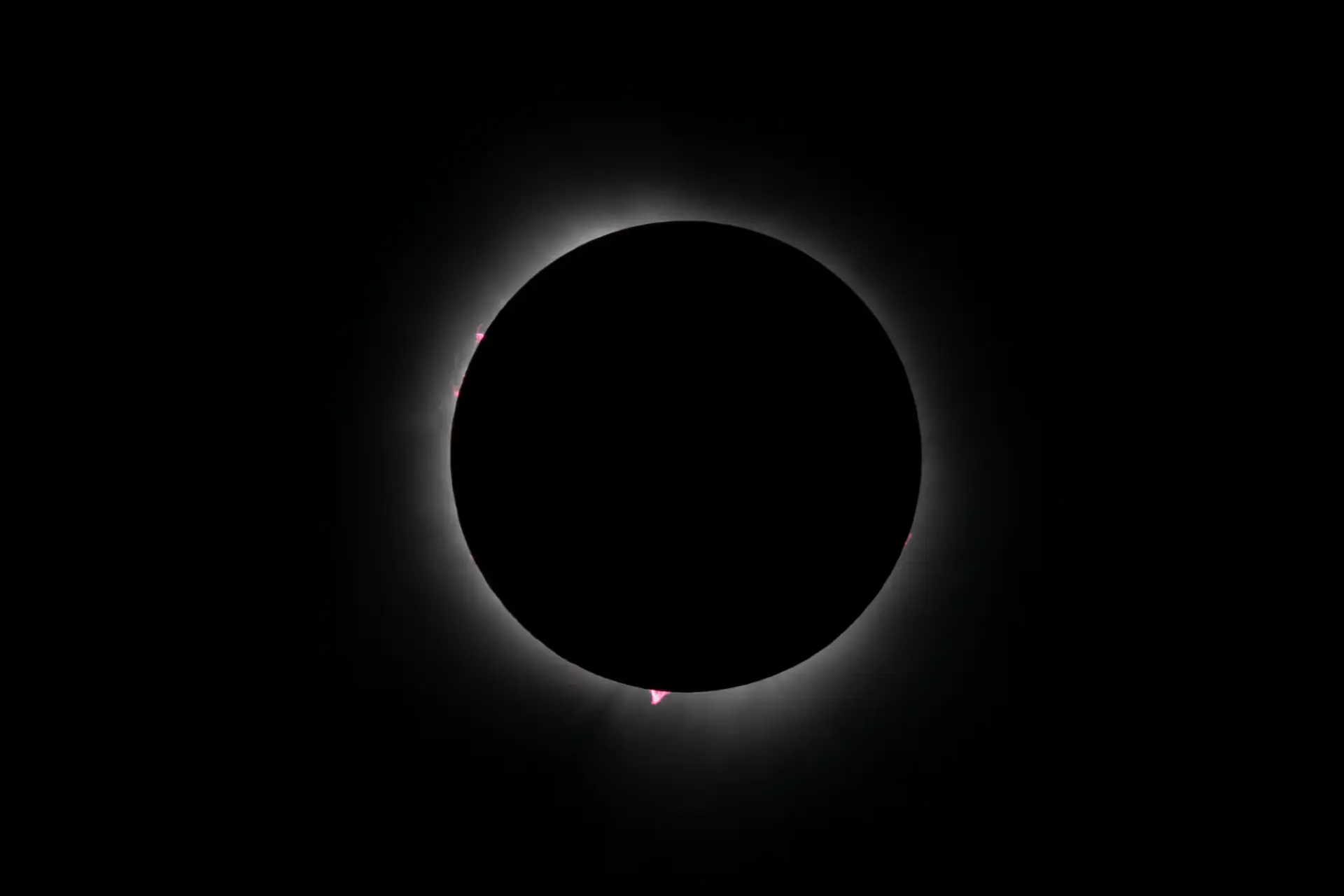
Dunedin has found a new export product: darkness, timed to the second. More than two years before the moon slides in front of the sun on 22 July 2028, hotels in the city are already filling up, a reminder that even celestial events now come with yield management and package deals.
At 4.17pm, a roughly 100km-wide band across southern New Zealand will be plunged into daytime shadow for 2 minutes and 51 seconds. The path runs from Queenstown in the west to Dunedin in the east, and the city is bracing for what is expected to be one of its biggest tourism draws in years. Roughly 35,000 visitors are forecast to arrive in a city of about 130,000 people. For once, the numbers are not being massaged by a ministry.
The bookings are already real. Dunedin Leisure Lodge has sold out its solar eclipse package, which includes complimentary eclipse glasses. That is the sort of detail that tells you everything about modern tourism: even the sky must now be bundled, branded and pre-paid. But in this case the hype is justified. The last total solar eclipse visible from Dunedin was in 1163, long before humans reached New Zealand, according to Dr Ian Griffin, director of Tūhura Otago Museum.
Griffin has been preparing for the event since 2013, which is either admirable foresight or the sort of obsession only astronomers can make sound sensible. He said the last eclipse visible anywhere in New Zealand was in 1965, and that three minutes of darkness, if the weather cooperates, will be unforgettable for anyone who sees it. He also admitted that he bought his house years ago because the eclipse would be visible from it. A man with a plan, at least by the standards of public life.
The timing gives the event a second layer of symbolism. The eclipse falls in the middle of the New Zealand winter, shortly after Matariki, the Māori new year. Matariki is the Māori name for the star cluster known elsewhere as the Pleiades, visible from New Zealand for most of the year before disappearing from the winter sky and returning around the winter solstice. Dunedin plans to turn that stretch into a night-sky festival running from Matariki through to the eclipse itself.
That combination of cultural calendar and astronomical spectacle is what city leaders hope will set Dunedin apart. Sophie Barker, the mayor, said the anticipation is already being felt across the city and that the event is now firmly on the horizon. She is right, though the horizon in this case is doing a lot of work. If the weather holds, Dunedin will get its moment in the dark, and a tidy lesson in how rare events still have the power to move people, fill hotels and make a city look outward for once.
Written by Freya Stensrud freya.stensrud@alpineweekly.com