Jun 13, 2:01 PM
Blind Dates and Background Checks: The Safeguarding Scandal Hitting Reality Television
Broadcasters face mounting criticism over undisclosed criminal convictions of participants.
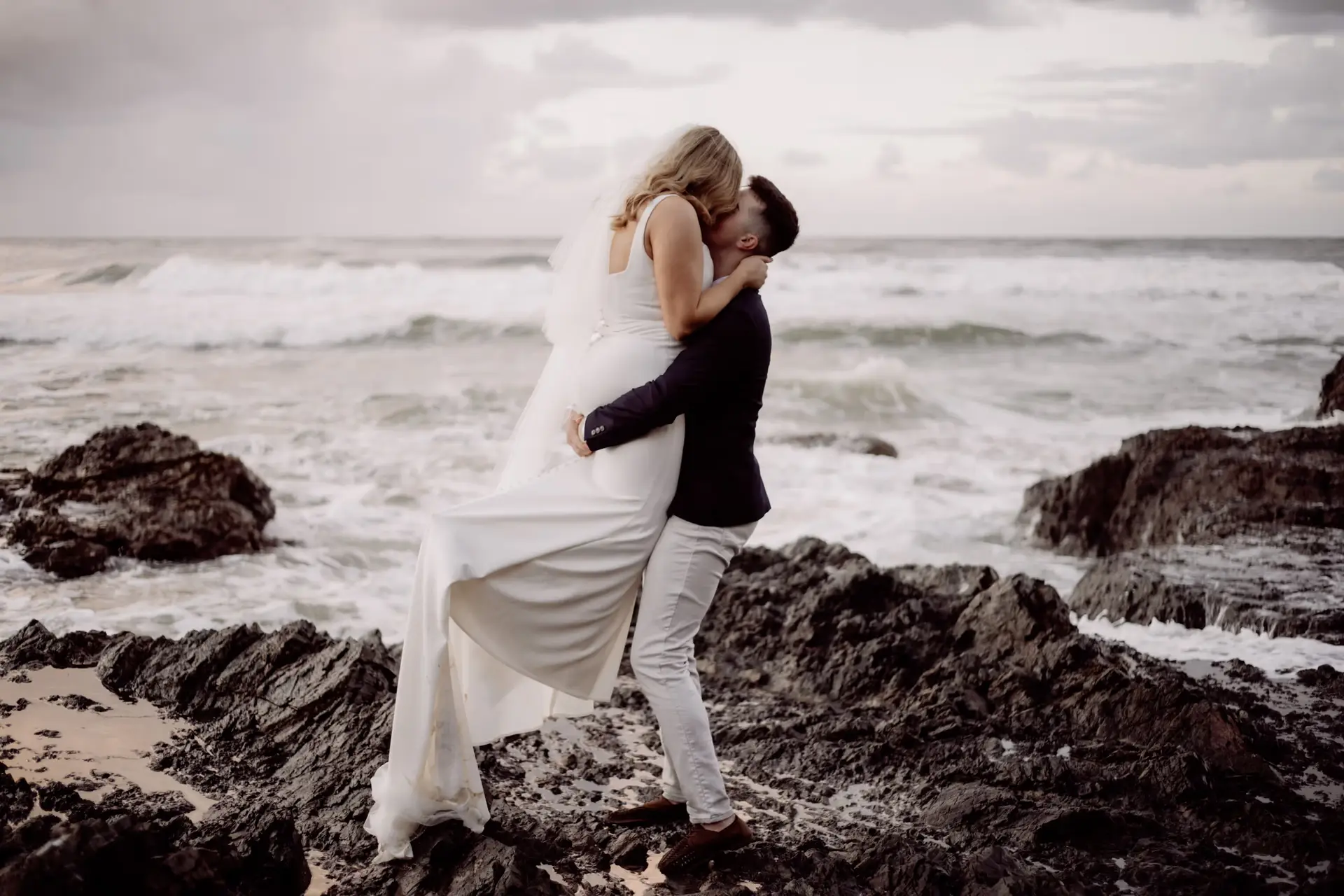
The premise of marrying a total stranger on national television naturally requires a certain appetite for risk. Participants sign away their privacy, dignity, and often their reputations in exchange for fleeting fame and the remote possibility of romance. Yet, there is a reasonable expectation that the stranger waiting at the altar does not possess a criminal record for violence or drug offences. For several participants of Married at First Sight Australia, this baseline assumption was apparently overly optimistic.
Former contestants from the highly lucrative reality franchise have broken ranks to criticize the production companies over severe lapses in basic safeguarding. Individuals cast on the programme were allegedly paired with partners harboring undisclosed criminal convictions. Katie Johnstone, a participant from the 2025 season, and Tahnee Cook from the 2023 edition, have both publicly condemned the producers for withholding this rather crucial information. While neither woman was personally matched with an offender, both confirmed they were fully aware of other cast members who found themselves in precisely that predicament.
The mechanics of the programme dictate that newly matched couples must immediately share living quarters and sleep in the same room. Placing women in isolated, intimate settings with individuals possessing a history of violence represents a staggering liability. Johnstone articulated the obvious, noting that participants forced into such close proximity have an absolute right to know about a partner's questionable background. Cook echoed this sentiment, arguing that an appearance on the show should be strictly prohibited for anyone with a prior offence, dismissing the current vetting protocols as a mere administrative exercise rather than a genuine safety measure.
The Australian non-profit organisation Our Watch, which focuses on preventing violence against women, intervened in the debate, insisting that any television production must treat such convictions as a severe safeguarding issue rather than a secret to be kept from those at risk. In response to the mounting criticism, the broadcasters responsible for the spectacle offered a robust, if somewhat contradictory, defence. Channel 9 and Endemol Shine Australia maintained that they take their obligations regarding participant safety extremely seriously.
The production companies insist they employ a rigorous vetting regime. There is a structured, multi-stage checking process that every participant must complete and clear, they stated, detailing a system that purportedly includes international police checks, psychological assessments, and legal due diligence. The sheer comprehensiveness of this described protocol makes the actual outcome all the more baffling. If a multi-stage international background check successfully identifies a history of violence, and the producers still proceed to place that individual in a locked hotel room with an unwitting stranger, the issue is not a failure of vetting. It is a conscious editorial choice.
Written by Sandy van Dongen sandy.vandongen@alpineweekly.com